As women get older, maintaining strong bones becomes an important part of staying healthy, active, and independent. While some loss of bone density is a normal part of aging, there are many everyday habits that may help support bone health and reduce the risk of fractures later in life.
After age 50, changes related to aging—and for many women, the hormonal changes that occur after menopause—can gradually affect bone strength. The good news is that research suggests lifestyle choices such as regular physical activity, eating a nutrient-rich diet, and getting enough calcium and vitamin D may help support healthy bones over time.
This guide explains why bone health changes with age, what factors influence bone strength, and practical, evidence-based habits that may help you care for your bones throughout the years.
Why Bone Health Matters After 50
Bones are living tissue that constantly renew themselves through a process called remodeling. Throughout childhood and early adulthood, the body builds bone faster than it breaks it down, allowing bones to become stronger and denser.
As we age, that balance gradually shifts. Bone breakdown begins to occur faster than new bone can be formed, leading to a slow decline in bone density. For many women, this process accelerates after menopause because lower estrogen levels affect the body’s ability to maintain bone mass.
Although this gradual change is common, it is not inevitable that it will lead to weak or fragile bones. Many factors—including nutrition, physical activity, smoking, alcohol use, certain medications, and family history—can influence bone health throughout life.
Maintaining healthy bones is about more than preventing osteoporosis. Strong bones also help support posture, balance, mobility, and the ability to continue enjoying everyday activities as we grow older.
Understanding Bone Density and Bone Strength
People often hear the term bone density, but bone health involves more than a single measurement.
Bone density refers to the amount of mineral—primarily calcium and phosphorus—contained within your bones. In general, higher bone density is associated with stronger bones, although bone quality and overall structure also play important roles.
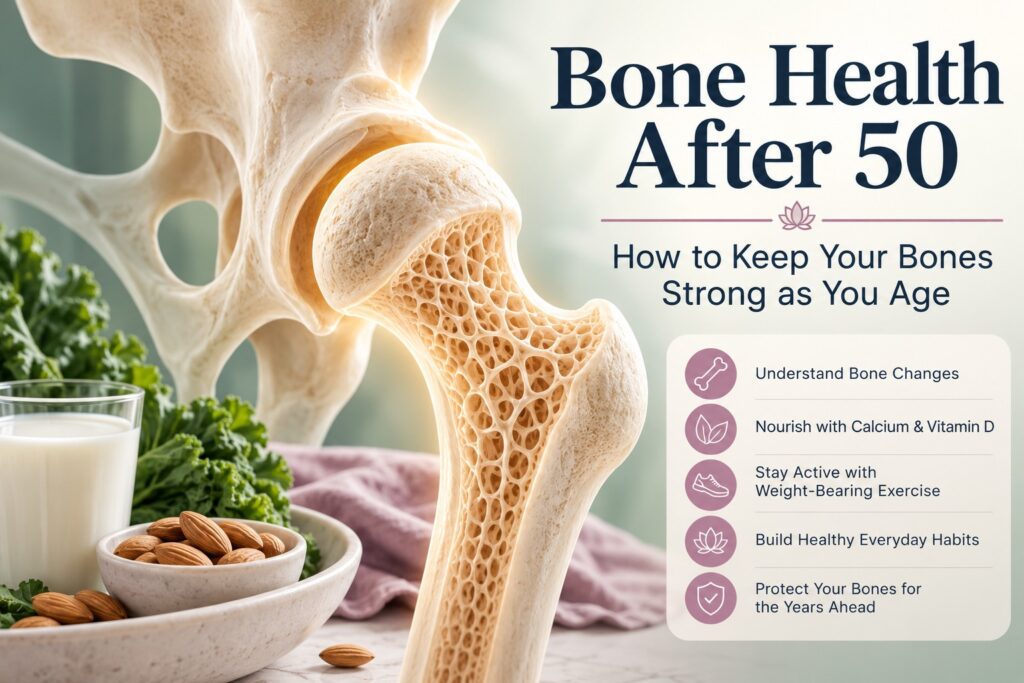
Healthy bones need to remain both strong and resilient. Throughout life, the body continuously removes old bone tissue and replaces it with new bone. This natural remodeling process allows bones to repair small areas of damage and adapt to everyday stresses such as walking, lifting, and exercise.
With advancing age, however, new bone is produced more slowly than old bone is removed. Over time, bones may become thinner and less resistant to fractures, especially in areas such as the hips, spine, and wrists.
Because bone loss occurs gradually and usually without symptoms, many people are unaware of changes in their bone health until a fracture occurs. Understanding how bones change with age is the first step toward adopting habits that may help support lifelong bone strength.
Risk Factors for Bone Loss
While aging is one of the biggest influences on bone health, it is not the only one. Bone strength is shaped by a combination of genetics, lifestyle habits, medical conditions, and nutritional factors that accumulate over time.
Some risk factors cannot be changed, while others can often be managed through healthy daily choices.
Age and Menopause
Bone loss naturally becomes more noticeable after age 50. For many women, menopause is an important milestone because declining estrogen levels may speed up the loss of bone mineral density.
This does not mean every woman will develop weak bones, but it does make bone health an important part of healthy aging. If you’d like to learn more about how menopause affects the body, see our guide to Understanding Menopause: What Every Woman Should Know.
Family History
Genetics play an important role in bone health. Having a parent or sibling with osteoporosis or a history of hip fractures may increase your own risk of developing lower bone density later in life.
Although family history cannot be changed, healthy lifestyle habits may still help support bone strength throughout adulthood.
Physical Inactivity
Bones become stronger when they are regularly challenged through everyday movement and weight-bearing activities. Spending long periods sitting or avoiding physical activity may contribute to gradual bone loss over time.
Regular movement not only benefits bones but also helps maintain muscle strength and balance, both of which play an important role in reducing the risk of falls.
Poor Nutrition
Bones require a steady supply of nutrients throughout life. Diets that are consistently low in calcium, vitamin D, protein, and other essential nutrients may make it more difficult for the body to maintain healthy bone tissue.
Rather than focusing on individual foods, experts generally recommend following a balanced eating pattern that provides a variety of nutrient-rich foods.
Smoking and Excessive Alcohol
Research suggests that smoking may interfere with the body’s ability to maintain healthy bone tissue. Excessive alcohol intake has also been associated with lower bone density and an increased risk of fractures.
Limiting these lifestyle factors may benefit not only bone health but also overall healthy aging.
Calcium and Vitamin D: Why They Matter
Calcium and vitamin D are two of the most well-known nutrients for bone health, but they work in different ways.
Calcium is the primary mineral found in bones and helps provide their structure and strength. Vitamin D helps the body absorb calcium efficiently and supports normal bone remodeling throughout life.
Because these nutrients work together, getting enough of both is generally considered important for maintaining healthy bones.
Calcium-Rich Foods
Many everyday foods naturally provide calcium, including:
- Dairy products such as milk, yogurt, and cheese
- Fortified plant-based beverages
- Calcium-set tofu
- Canned salmon or sardines with bones
- Kale, bok choy, and other leafy greens
- Fortified breakfast cereals
Obtaining nutrients from a balanced diet whenever possible is generally recommended, although some people may require additional guidance from their healthcare provider.
Sources of Vitamin D
Vitamin D can be obtained from several sources, including:
- Sunlight exposure
- Fatty fish such as salmon and trout
- Egg yolks
- Fortified milk and plant-based beverages
- Fortified cereals
As people age, the skin becomes less efficient at producing vitamin D from sunlight, making adequate intake increasingly important.
Future Bloomelle articles will explore vitamin D in greater depth, including what current research suggests about supplementation for women over 50.
Everyday Habits That Support Bone Health
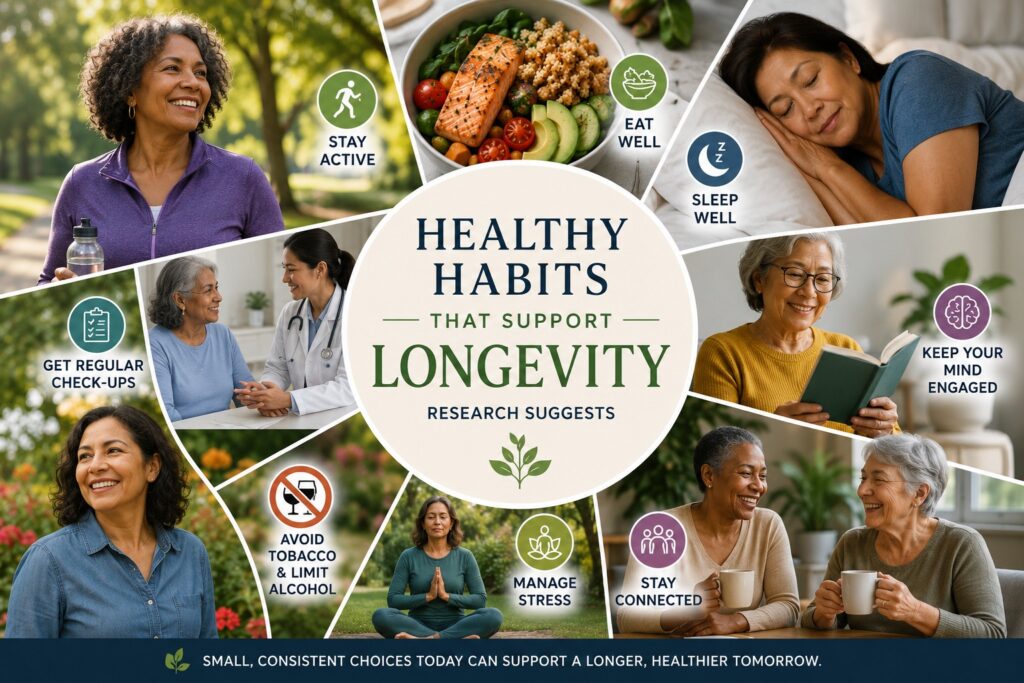
Strong bones are supported by consistent daily habits rather than a single food, supplement, or exercise routine. While aging naturally affects bone density, healthy lifestyle choices may help maintain bone strength and support long-term mobility.
Stay Physically Active
Regular movement encourages bones and muscles to stay strong while also improving balance, coordination, and overall physical function.
Aim to include a variety of activities throughout the week, such as walking, strength training, stretching, and balance exercises. Even moderate activity performed consistently may contribute to healthier aging over time.
Eat a Nutrient-Rich Diet
A balanced eating pattern provides the vitamins, minerals, and protein your body needs to support bone remodeling and overall health.
Rather than focusing on individual “superfoods,” try to build meals around:
- Fruits and vegetables
- Whole grains
- Lean protein sources
- Dairy or calcium-fortified alternatives
- Healthy fats such as nuts, seeds, and olive oil
Our guide to Healthy Eating Patterns for Women Over 50 explores how balanced nutrition supports overall wellness throughout healthy aging.
Get Enough Protein
Protein is often associated with maintaining muscle, but it also plays an important role in supporting healthy bones. Bone tissue contains a protein framework that provides structure and helps maintain strength.
Most women can meet their protein needs through a balanced diet that includes a variety of protein-rich foods. For a more detailed discussion, see our guide on How Much Protein Do Women Over 50 Need?
Avoid Smoking
Smoking has been linked to lower bone density and a higher risk of fractures. Research suggests it may interfere with normal bone remodeling and reduce the body’s ability to maintain healthy bone tissue.
Quitting smoking benefits nearly every aspect of health, including the heart, lungs, and bones.
Limit Alcohol
Drinking alcohol in moderation is unlikely to have a major effect on bone health for most people. However, excessive alcohol consumption has been associated with reduced bone density and an increased risk of falls and fractures.
Choosing moderate drinking habits may help support both bone health and overall well-being.
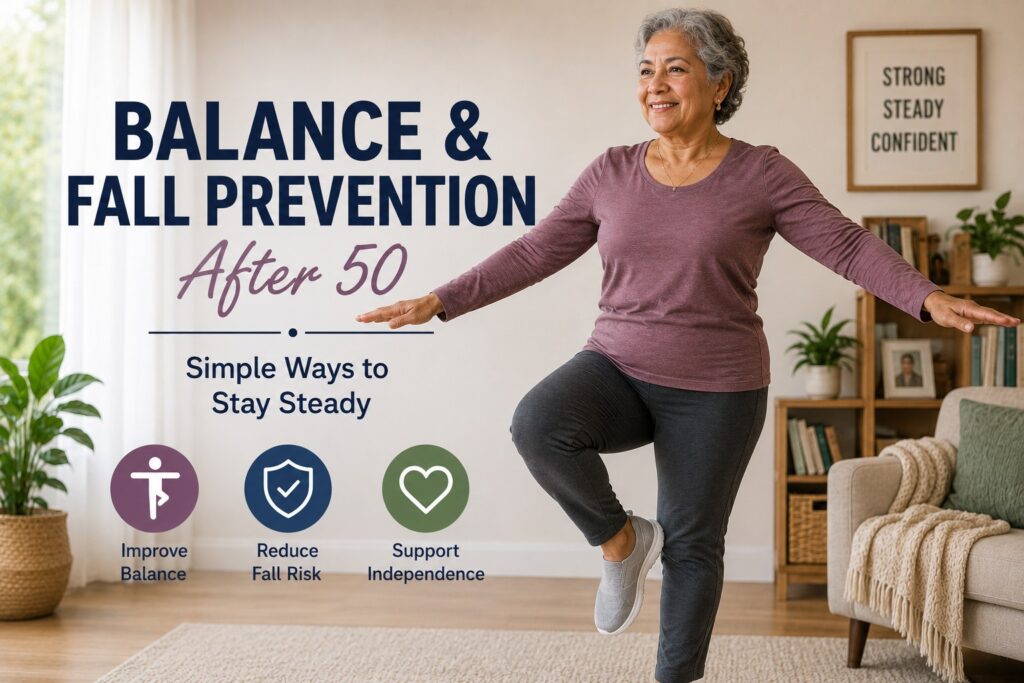
Help Prevent Falls
Maintaining strong bones is only part of the picture. Preventing falls is equally important because even healthy bones can break during a serious fall.
Simple strategies include:
- Keeping walkways free of clutter
- Using adequate lighting throughout the home
- Wearing supportive footwear
- Staying physically active to improve strength and balance
- Having regular vision and hearing checkups
Our upcoming article on Balance and Fall Prevention After 50 explores practical ways to reduce fall risk and maintain independence.
When to Talk to Your Healthcare Provider
Bone loss usually develops gradually and often causes no noticeable symptoms until a fracture occurs. Because of this, preventive care plays an important role in maintaining bone health.
Consider discussing your bone health with a healthcare provider if you:
- Are age 65 or older.
- Went through menopause at an earlier-than-average age.
- Have a family history of osteoporosis or hip fractures.
- Have experienced a fracture after a minor fall or injury.
- Take medications that may affect bone health, such as long-term corticosteroids.
- Have medical conditions associated with lower bone density.
Your healthcare provider may recommend a bone density test, commonly called a DEXA scan, to evaluate bone mineral density and determine whether additional monitoring or treatment is appropriate.
Early assessment can help identify changes before fractures occur and support informed decisions about protecting long-term bone health.
Conclusion
Healthy bones are essential for maintaining mobility, independence, and quality of life as we age. Although some bone loss is a natural part of getting older, there are many evidence-based habits that may help support bone strength throughout life.
Staying physically active, eating a balanced diet rich in bone-supporting nutrients, getting enough protein, avoiding smoking, limiting excessive alcohol, and reducing fall risk all contribute to lifelong bone health.
Bone health is just one part of healthy aging, but it provides the foundation for staying active and independent in the years ahead. By making small, consistent lifestyle choices today, you can help support stronger bones and better overall well-being for the future.
References
- National Institute on Aging. Osteoporosis. https://www.nia.nih.gov/health/osteoporosis
- National Institutes of Health – Office of Dietary Supplements. Calcium Fact Sheet for Health Professionals. https://ods.od.nih.gov/factsheets/Calcium-HealthProfessional/
- National Institutes of Health – Office of Dietary Supplements. Vitamin D Fact Sheet for Health Professionals. https://ods.od.nih.gov/factsheets/VitaminD-HealthProfessional/
- Bone Health and Osteoporosis Foundation (BHOF). Bone Health & Osteoporosis Resources. https://www.bonehealthandosteoporosis.org/
- U.S. Preventive Services Task Force (USPSTF). Osteoporosis to Prevent Fractures: Screening. https://www.uspreventiveservicestaskforce.org/