Many people hope to live a long life, but longevity is about much more than adding years. For most women, the real goal is to remain healthy, active, independent, and able to enjoy everyday life for as long as possible.
Researchers now recognize that longevity is influenced by far more than genetics. While family history certainly plays a role, everyday lifestyle choices appear to have a meaningful impact on long-term health. In fact, studies suggest that healthy habits adopted during midlife and maintained over time may help reduce the risk of many chronic conditions associated with aging.
Importantly, there is no single habit that guarantees a longer life. Instead, healthy aging is supported by a combination of behaviors that work together over many years.
This guide explores the lifestyle habits most consistently associated with healthy longevity, explains why they matter, and offers practical ways to support your health as you age.
What Does Longevity Really Mean?
When people hear the word longevity, they often think simply about living longer.
However, researchers increasingly distinguish between two related concepts:
- Lifespan refers to the total number of years a person lives.
- Healthspan refers to the number of years spent in good health, maintaining physical function, mental well-being, and independence.
While lifespan measures quantity of life, healthspan focuses on quality of life.
For many women, maintaining mobility, cognitive function, strong bones, emotional well-being, and independence is just as important as increasing life expectancy.
This shift toward healthy longevity reflects a growing emphasis on preventing or delaying age-related health problems rather than simply extending life.
Can Lifestyle Really Influence Longevity?
Although genetics contribute to longevity, they explain only part of the picture.
Research suggests that lifestyle and environmental factors have a substantial influence on healthy aging. Daily habits affect nearly every system in the body, including the heart, brain, muscles, bones, metabolism, and immune system.
Healthy behaviors may help support:
- Cardiovascular health
- Bone strength
- Muscle function
- Brain health
- Healthy blood sugar regulation
- Emotional well-being
- Physical independence
Because these systems are interconnected, improvements in one area often benefit others as well.
For example, regular physical activity not only supports heart health but also contributes to stronger bones, better balance, improved mood, and healthy cognitive aging.
Rather than relying on one “secret” to longevity, researchers generally recommend building consistent habits that support overall health throughout adulthood.
It’s Never Too Early—or Too Late—to Build Healthy Habits
Many women wonder whether lifestyle changes made after 50 can still make a meaningful difference.
The encouraging news is that healthy habits appear to provide benefits at almost any age.
Research suggests that adopting healthier behaviors during midlife—or even later—may improve physical function, reduce certain health risks, and support overall well-being.
Small, sustainable improvements often have greater long-term value than dramatic lifestyle changes that are difficult to maintain.
Examples include:
- Taking a daily walk
- Choosing more whole foods
- Prioritizing regular sleep
- Staying socially connected
- Finding enjoyable ways to stay physically active
- Keeping up with preventive healthcare appointments
Healthy aging is not about perfection. Instead, it is about making consistent choices that support the body and mind over time.
Why Healthy Habits Work Better Together
One of the most important findings in longevity research is that healthy habits rarely act in isolation.
Physical activity supports heart health, which in turn benefits brain function. Nutritious eating provides the energy and nutrients needed for muscles, bones, and the immune system. Good sleep helps regulate hormones, supports memory, and promotes recovery. Social engagement contributes to emotional well-being while encouraging physical and mental activity.
These habits reinforce one another, creating a foundation for healthier aging.
Rather than focusing on a single “superfood,” supplement, or exercise routine, experts generally recommend adopting a balanced lifestyle that addresses multiple aspects of health at the same time.
The following sections explore the everyday habits that research most consistently associates with healthy longevity.
Stay Physically Active
Regular physical activity is one of the lifestyle habits most consistently associated with healthy aging and longevity.
Exercise supports far more than muscle strength. It helps maintain cardiovascular health, improves balance and mobility, supports healthy bones, contributes to better metabolic health, and may also benefit cognitive function.
Research suggests that adults who remain physically active throughout life are more likely to preserve independence and maintain a higher quality of life as they age.
The good news is that physical activity does not need to be intense to be beneficial. Walking, swimming, cycling, gardening, dancing, and strength training can all contribute to long-term health.
Consistency is often more important than intensity. Finding enjoyable activities makes it easier to stay active over the years.
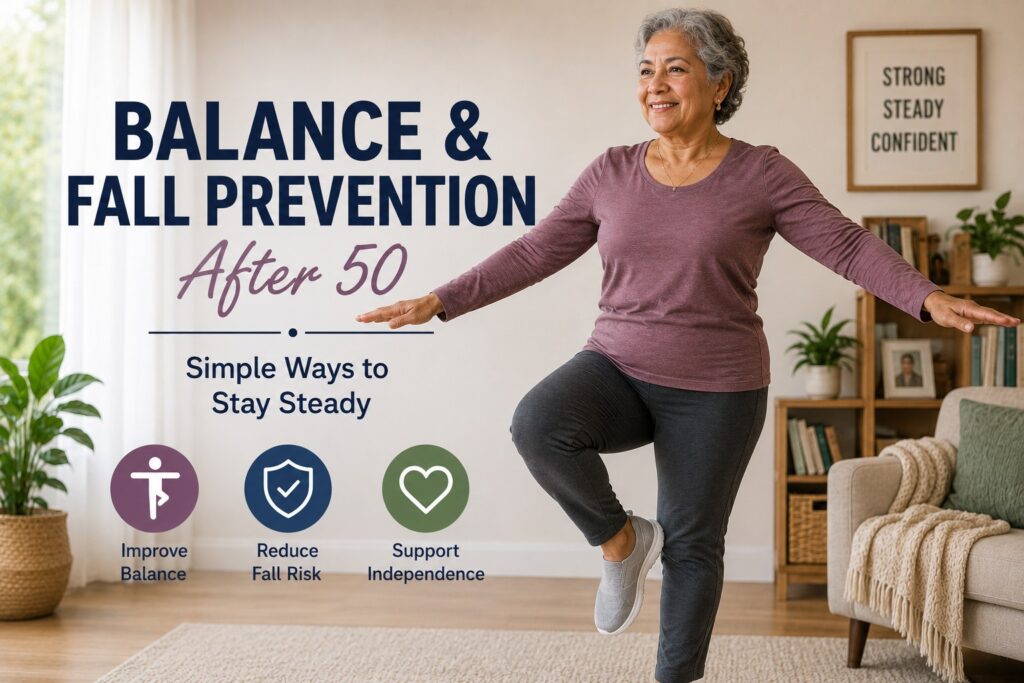
For more guidance on maintaining strength and mobility, see our articles on Strength Training for Women Over 50 and Balance and Fall Prevention After 50.
Choose a Balanced Eating Pattern
Nutrition plays an important role in supporting healthy aging.
Rather than focusing on restrictive diets or individual “superfoods,” researchers generally recommend eating patterns rich in whole, minimally processed foods.
A balanced diet may help support:
- Heart health
- Brain function
- Bone strength
- Muscle maintenance
- Healthy digestion
- Immune function
Foods commonly associated with healthy aging include:
- Vegetables
- Fruits
- Whole grains
- Beans and legumes
- Nuts and seeds
- Fish
- Olive oil
- Low-fat dairy or fortified alternatives when appropriate
Limiting highly processed foods, excess added sugars, and excessive sodium may also support overall health.
Healthy eating is not about perfection. Building sustainable eating habits that provide a wide variety of nutrients is generally more beneficial than following short-term restrictive diets.
Prioritize Quality Sleep
Sleep allows the body to recover and supports many essential biological processes.
During sleep, the brain consolidates memories, hormones are regulated, tissues recover, and numerous systems work to maintain overall health.
Poor sleep over long periods has been associated with increased risks of several chronic health conditions and may affect mood, concentration, and energy levels.
As women get older, sleep patterns often change naturally. While occasional sleep difficulties are common, consistently poor sleep deserves attention.
Maintaining regular sleep habits may support both physical and cognitive health throughout later life.
If you’re interested in learning more, read our guide Why Sleep Changes After 40.
Keep Your Mind Engaged
Just as muscles benefit from regular use, the brain also benefits from continued learning and mental stimulation.
Researchers believe that engaging in intellectually challenging activities may help strengthen cognitive reserve—the brain’s ability to adapt and continue functioning despite age-related changes.
Activities that encourage lifelong learning include:
- Reading books
- Learning a new language
- Taking educational courses
- Solving puzzles
- Playing strategy games
- Learning musical instruments
- Practicing creative hobbies
- Exploring new technologies
No single activity has been proven to prevent cognitive decline, but maintaining an active and curious mind appears to support healthy cognitive aging.
Stay Socially Connected
Meaningful relationships are an often-overlooked component of healthy longevity.
Strong social connections provide emotional support, encourage physical activity, reduce feelings of loneliness, and create opportunities for continued mental engagement.
Studies have found that people with active social lives often experience better overall well-being and may have lower risks of certain health problems associated with social isolation.
Social engagement can take many forms, including:
- Spending time with family
- Maintaining friendships
- Joining community groups
- Volunteering
- Participating in clubs or hobby groups
- Attending educational or fitness classes
Even small, regular interactions can contribute to emotional health and help people remain engaged with their communities.
Manage Stress in Healthy Ways
Stress is a normal part of life, but chronic stress may affect both physical and mental health over time.
Long-term stress has been associated with changes in sleep, mood, blood pressure, immune function, and other systems involved in healthy aging.
While it is impossible to eliminate stress completely, developing healthy coping strategies may help reduce its impact.
Examples include:
- Regular physical activity
- Mindfulness or meditation
- Deep breathing exercises
- Spending time outdoors
- Connecting with supportive friends and family
- Engaging in enjoyable hobbies
- Seeking professional support when needed
Healthy stress management does not mean avoiding life’s challenges. Instead, it involves building resilience and developing practical ways to respond to them.
Avoid Tobacco and Limit Alcohol
Some lifestyle choices have a greater impact on long-term health than others.
Avoiding tobacco is widely recognized as one of the most important steps people can take to support healthy aging. Smoking affects nearly every organ in the body and is associated with increased risks of cardiovascular disease, lung disease, certain cancers, and reduced life expectancy.
For those who smoke, quitting can provide health benefits at almost any age. Research suggests that stopping smoking may improve circulation, lung function, and overall health while reducing the risk of many smoking-related diseases over time.
Alcohol deserves thoughtful consideration as well.
While some older studies suggested that moderate alcohol consumption might offer certain health benefits, more recent research has questioned these findings. Current evidence indicates that alcohol may increase the risk of several health conditions, including certain cancers, even at relatively low levels of consumption.
For women who choose to drink alcohol, moderation remains important. Those who do not drink should not begin drinking for potential health benefits.
Keep Up With Preventive Healthcare
Healthy aging involves more than lifestyle habits alone.
Routine preventive healthcare allows many conditions to be identified early, often before symptoms develop.
Regular healthcare visits provide opportunities to:
- Monitor blood pressure
- Check cholesterol levels
- Screen for diabetes when appropriate
- Stay current with recommended vaccinations
- Discuss changes in memory, balance, or mobility
- Review medications
- Receive age-appropriate cancer screenings
Preventive care works alongside healthy lifestyle habits rather than replacing them. Together, they help support long-term health and independence.
If you notice new or persistent symptoms, discussing them with a healthcare professional is an important part of maintaining your health as you age.
Small Daily Choices Add Up Over Time
One of the most encouraging findings from longevity research is that healthy aging does not depend on making perfect choices every day.
Instead, long-term health is shaped by the accumulation of many small decisions over months and years.
Examples include:
- Choosing to walk instead of driving short distances
- Preparing more meals at home
- Going to bed at a consistent time
- Taking breaks from prolonged sitting
- Spending time with friends or family
- Continuing to learn new skills
- Scheduling routine healthcare appointments
Individually, these actions may seem modest. Together, however, they contribute to a lifestyle that supports overall well-being.
Healthy habits are most effective when they become part of everyday life rather than temporary goals.
Myths About Longevity
Many misconceptions surround the idea of living a longer life. Understanding what research actually shows can help women focus on habits that are more likely to support healthy aging.
Myth: Longevity is determined mostly by genetics.
Reality: Genetics influence longevity, but lifestyle and environmental factors also play a significant role. Daily habits can affect cardiovascular health, metabolic health, physical function, and overall quality of life throughout aging.
Myth: It’s too late to improve your health after 50.
Reality: Research suggests that adopting healthier habits later in life may still provide meaningful benefits. Physical activity, balanced nutrition, smoking cessation, and preventive healthcare can positively influence health at many ages.
Myth: One superfood or supplement can extend your lifespan.
Reality: No single food, vitamin, or supplement has been shown to dramatically increase longevity on its own. Overall dietary patterns and consistent healthy habits appear to have a much greater impact than any individual product.
Myth: Exercise only matters if it’s intense.
Reality: Regular movement of almost any kind can contribute to healthy aging. Walking, gardening, swimming, dancing, and other enjoyable activities all help support physical function when practiced consistently.
Healthy Aging Is a Lifelong Journey
There is no single secret to living a longer, healthier life.
Instead, research consistently points toward the value of combining multiple healthy habits that support the body and mind over time.
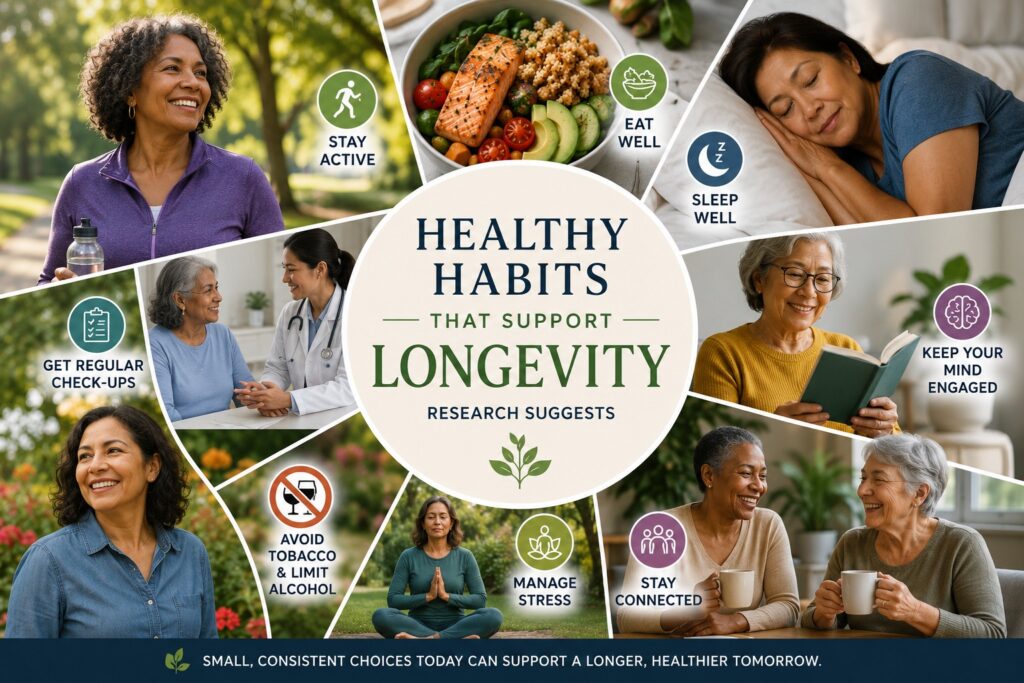
Staying physically active, eating a balanced diet, getting enough sleep, maintaining meaningful relationships, managing stress, avoiding tobacco, limiting alcohol, and keeping up with preventive healthcare all contribute to healthy aging.
While no lifestyle can eliminate every health risk, these habits may help improve quality of life, preserve independence, and support overall well-being as the years go by.
Rather than striving for perfection, focus on building routines you can maintain over the long term. Small, consistent choices often have the greatest impact on healthy longevity.
If you’re beginning your healthy aging journey, our Healthy Aging for Women Over 50: A Complete Guide offers additional practical strategies for supporting your health, mobility, cognitive wellness, and independence throughout later life.
References
- National Institute on Aging (NIA). Healthy Aging
https://www.nia.nih.gov/health/healthy-aging
Utilizado para: conceito de healthy aging, fatores que influenciam o envelhecimento saudável e qualidade de vida. - National Institute on Aging (NIA). Exercise and Physical Activity
https://www.nia.nih.gov/health/exercise-and-physical-activity
Utilizado para: benefícios da atividade física, manutenção da independência e recomendações gerais para adultos mais velhos. - Centers for Disease Control and Prevention (CDC). Healthy Aging at Any Age
https://www.cdc.gov/healthy-aging/about/index.html
Utilizado para: definição de envelhecimento saudável, importância dos hábitos ao longo da vida e prevenção. - World Health Organization (WHO). Ageing and Health
https://www.who.int/news-room/fact-sheets/detail/ageing-and-health
Utilizado para: definição de envelhecimento, principais desafios do envelhecimento populacional e visão global sobre healthy ageing. - World Health Organization (WHO). Healthy Ageing and Functional Ability
https://www.who.int/news-room/questions-and-answers/item/healthy-ageing-and-functional-ability
Utilizado para: conceito de functional ability e distinção entre viver mais e viver com independência (healthspan). - National Institute on Aging (NIA). Cognitive Health and Older Adults
https://www.nia.nih.gov/health/brain-health/cognitive-health-and-older-adults
Utilizado para: relação entre atividade física, engajamento mental, vida social e saúde cognitiva dentro do contexto da longevidade saudável.