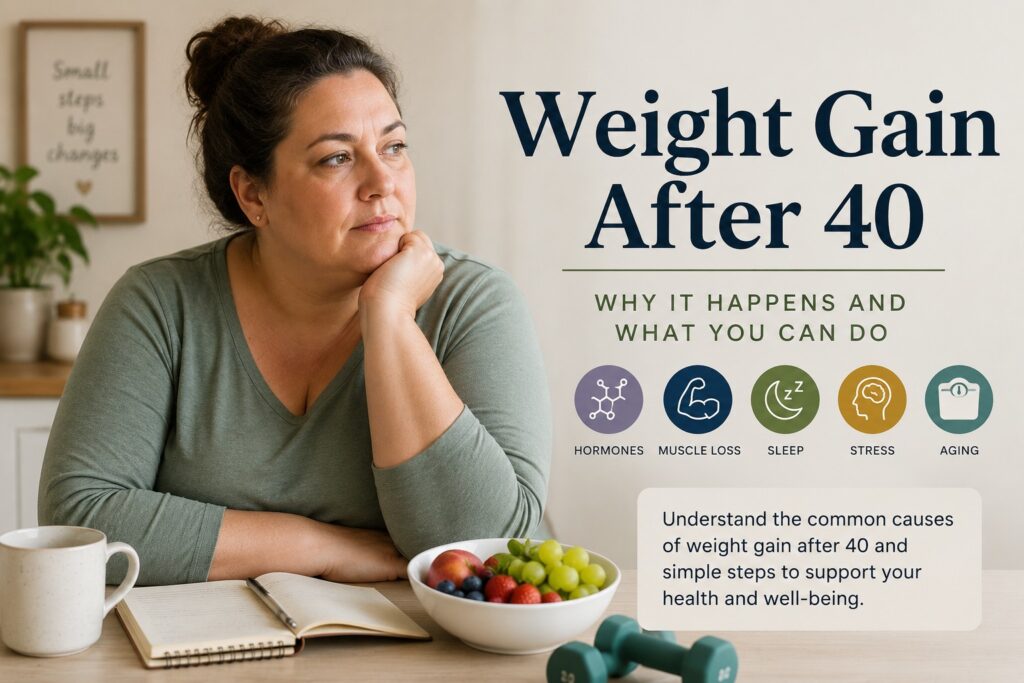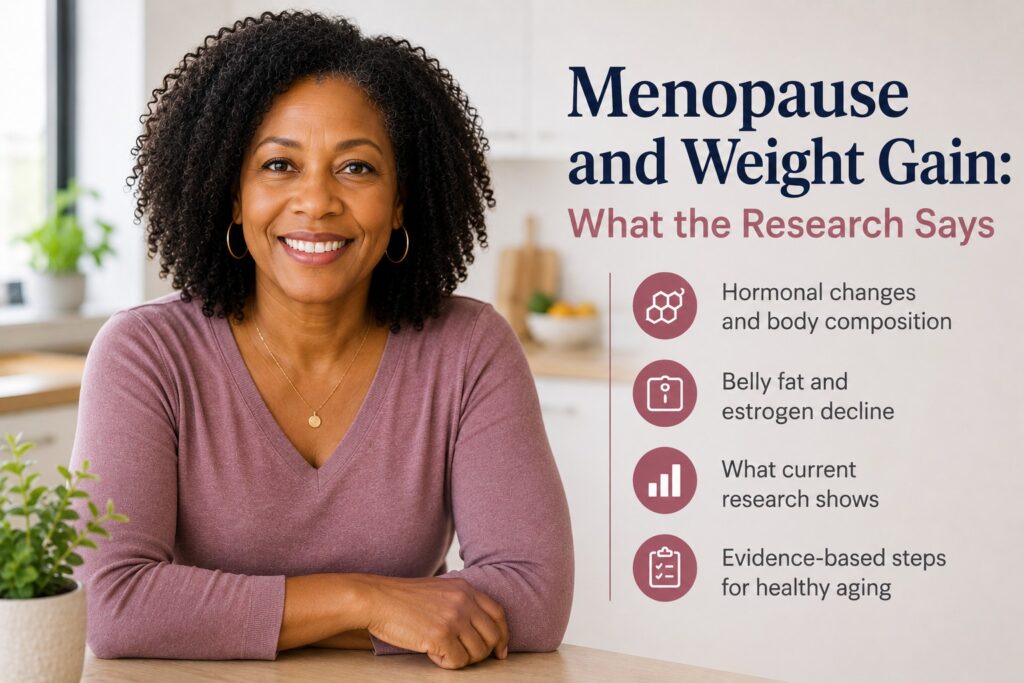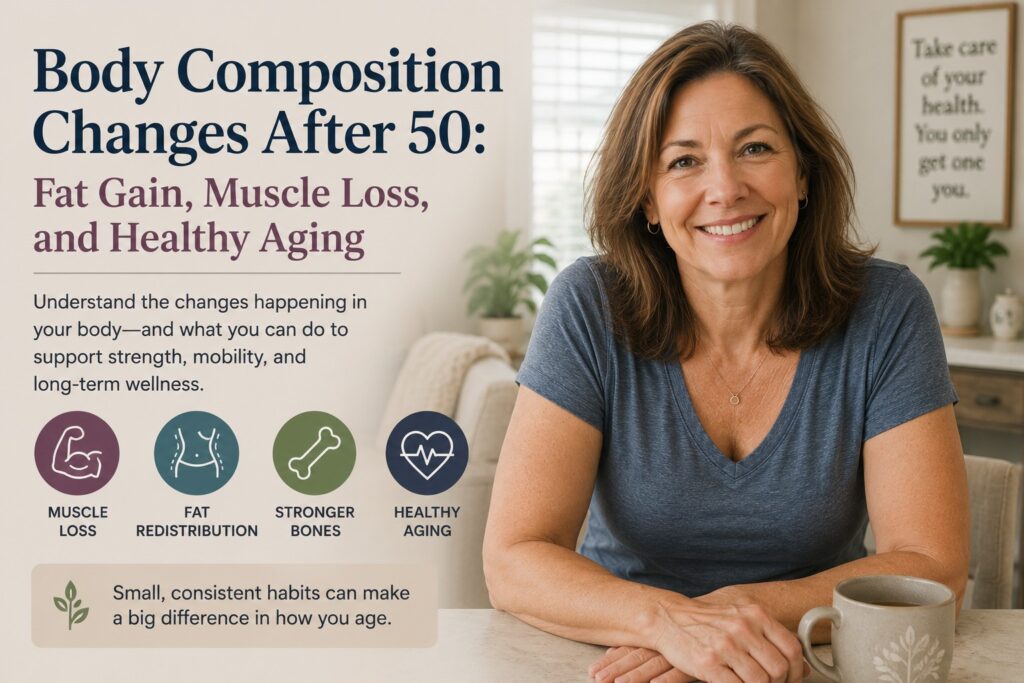

Maintaining a healthy weight can feel different after 40.
Many women notice that habits that once worked no longer seem as effective. Energy levels may fluctuate, hormones begin to shift, and daily responsibilities often leave less time for self-care.
The good news is that healthy weight management isn’t about perfection, extreme diets, or punishing workout routines. It’s about creating sustainable habits that support your overall well-being.
Why Weight Management Changes After 40
As women age, several natural changes can influence body weight.
These may include:
- Hormonal fluctuations during perimenopause and menopause
- Changes in muscle mass
- Reduced metabolic efficiency
- Increased stress levels
- Sleep disruptions
- Lifestyle changes and busy schedules
These factors can make weight management feel more challenging, even when eating and activity habits haven’t changed significantly.
Understanding these changes can help reduce frustration and encourage a more realistic approach.
Focus on Health, Not Just the Number on the Scale
Weight is only one indicator of overall health.
Healthy weight management also includes:
- Maintaining energy throughout the day
- Supporting mobility and strength
- Promoting heart health
- Encouraging balanced blood sugar levels
- Supporting emotional well-being
Rather than focusing solely on rapid results, many health professionals recommend prioritizing long-term lifestyle habits.
Build Balanced Eating Habits
Nutrition plays a major role in weight management.
Instead of restrictive diets, consider building meals around:
Lean Protein
Protein can help support muscle maintenance and increase feelings of fullness.
Examples include:
- Chicken
- Fish
- Eggs
- Greek yogurt
- Tofu
- Beans and legumes
Fiber-Rich Foods
Fiber supports digestion and may help with appetite management.
Good sources include:
- Vegetables
- Fruits
- Whole grains
- Lentils
- Chia seeds
Healthy Fats
Healthy fats can contribute to satiety and overall wellness.
Examples include:
- Avocados
- Olive oil
- Nuts
- Seeds
Stay Physically Active
Exercise supports far more than weight management.
Regular movement may help:
- Preserve muscle mass
- Support metabolism
- Improve mood
- Enhance sleep quality
- Increase energy levels
Activities can include:
- Walking
- Strength training
- Yoga
- Swimming
- Cycling
- Dance classes
The best exercise is often the one you can maintain consistently.
Prioritize Sleep and Stress Management
Sleep and stress are frequently overlooked when discussing weight management.
Poor sleep and chronic stress can influence hunger signals, food choices, and overall energy levels.
Helpful habits include:
- Maintaining a regular sleep schedule
- Limiting screen time before bed
- Practicing mindfulness
- Spending time outdoors
- Engaging in relaxing hobbies
Small improvements can make a meaningful difference over time.
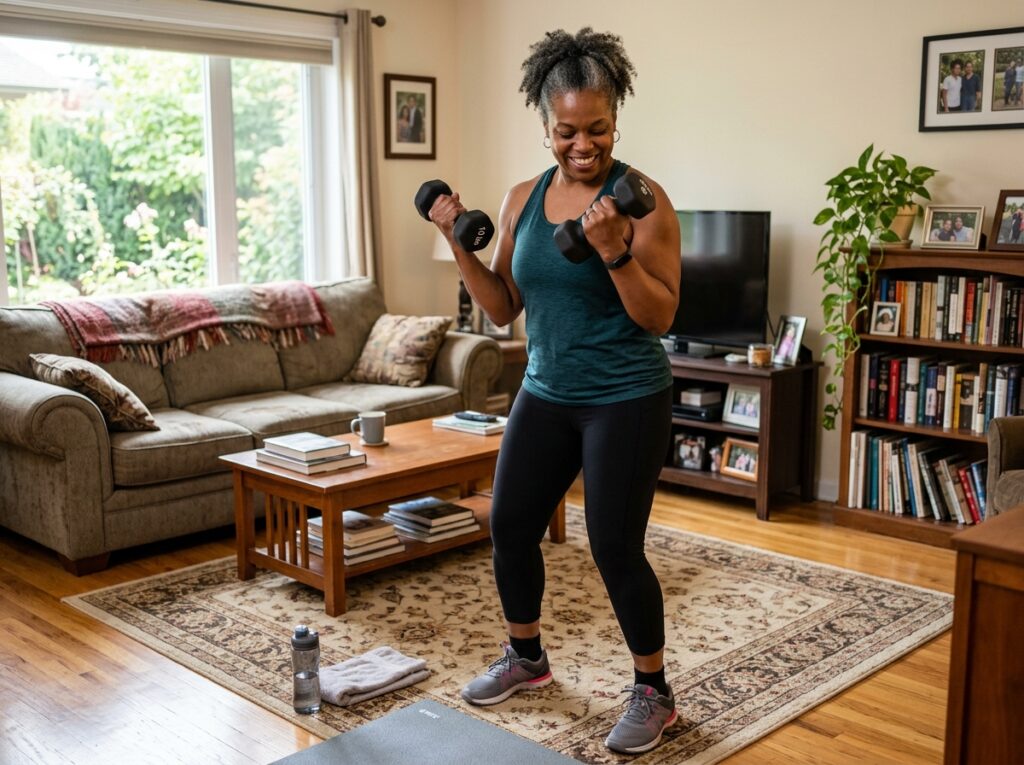
Support Your Metabolism Through Strength Training
After 40, maintaining muscle mass becomes increasingly important.
Strength training can help:
- Support metabolic health
- Improve functional strength
- Promote bone health
- Encourage healthy aging
Even two to three sessions per week can become a valuable part of a wellness routine.
Avoid Quick-Fix Solutions
Many products and programs promise rapid results.
However, sustainable weight management is usually built through consistent habits rather than extreme approaches.
When evaluating any wellness product or supplement, it’s important to:
- Review ingredient information
- Consult healthcare professionals when appropriate
- Set realistic expectations
- Combine supplements with healthy lifestyle practices
Small Changes Add Up
Healthy weight management is often the result of many small choices repeated consistently.
Simple habits may include:
- Drinking more water
- Walking daily
- Adding more vegetables to meals
- Prioritizing sleep
- Managing stress
- Staying active throughout the week
Progress does not have to be perfect to be meaningful.
Frequently Asked Questions
Why is it harder to manage weight after 40?
Hormonal changes, reduced muscle mass, lifestyle factors, and shifts in metabolism can all contribute to weight management challenges.
Can strength training help with weight management?
Strength training helps preserve muscle mass, which plays an important role in maintaining metabolic health.
Is dieting necessary for healthy weight management?
Many experts recommend focusing on sustainable eating habits rather than highly restrictive diets.
How important is sleep for weight management?
Sleep influences many aspects of health, including energy balance, appetite regulation, and recovery.
Final Thoughts
Weight management after 40 is not about chasing perfection.
It’s about creating a lifestyle that supports your health, energy, confidence, and long-term well-being.
By focusing on balanced nutrition, regular movement, quality sleep, and sustainable habits, you can build a healthy routine that supports you at every stage of life.
References
- Hurtado MD, Mishra N, Santoro N. Weight Gain in Midlife Women. Current Obesity Reports. 2024. Available at: https://pmc.ncbi.nlm.nih.gov/articles/PMC11150086/
- Fenton A, Panay N. Weight, Shape, and Body Composition Changes at Menopause. Post Reproductive Health. 2021. Available at: https://pmc.ncbi.nlm.nih.gov/articles/PMC8569454/
- Knight MG, Anekwe CV, Washington KE, et al. Weight Regulation in Menopause. Frontiers in Endocrinology. 2021. Available at: https://pmc.ncbi.nlm.nih.gov/articles/PMC8373626/
- Greendale GA, Sternfeld B, Huang MH, et al. Changes in Body Composition and Weight During the Menopause Transition. JCI Insight. 2019. Available at: https://insight.jci.org/articles/view/124865
- Simpson SJ, Raubenheimer D. Weight Gain During the Menopause Transition. Nutrients. 2022. Available at: https://pmc.ncbi.nlm.nih.gov/articles/PMC10952331/
- Chopra S, Sharma KA, Ranjan P, et al. Weight Management Module for Perimenopausal Women. Journal of Mid-Life Health. 2019. Available at: https://pmc.ncbi.nlm.nih.gov/articles/PMC6947726/
- Isenmann E, Diel P, Geisler S. Resistance Training Alters Body Composition in Middle-Aged Women. Journal of Clinical Medicine. 2023. Available at: https://pmc.ncbi.nlm.nih.gov/articles/PMC10559623/
- Hulteen RM, et al. Detrimental Changes in Health During Menopause and the Positive Impact of Physical Activity. Nutrients. 2023. Available at: https://pmc.ncbi.nlm.nih.gov/articles/PMC10467628/
- Erdélyi A, et al. The Importance of Nutrition in Menopause and Perimenopause. Nutrients. 2023. Available at: https://pmc.ncbi.nlm.nih.gov/articles/PMC10780928/
- Mayo Clinic Staff. The Reality of Menopause Weight Gain. Mayo Clinic. Updated 2023. Available at: https://www.mayoclinic.org/healthy-lifestyle/womens-health/in-depth/menopause-weight-gain/art-20046058