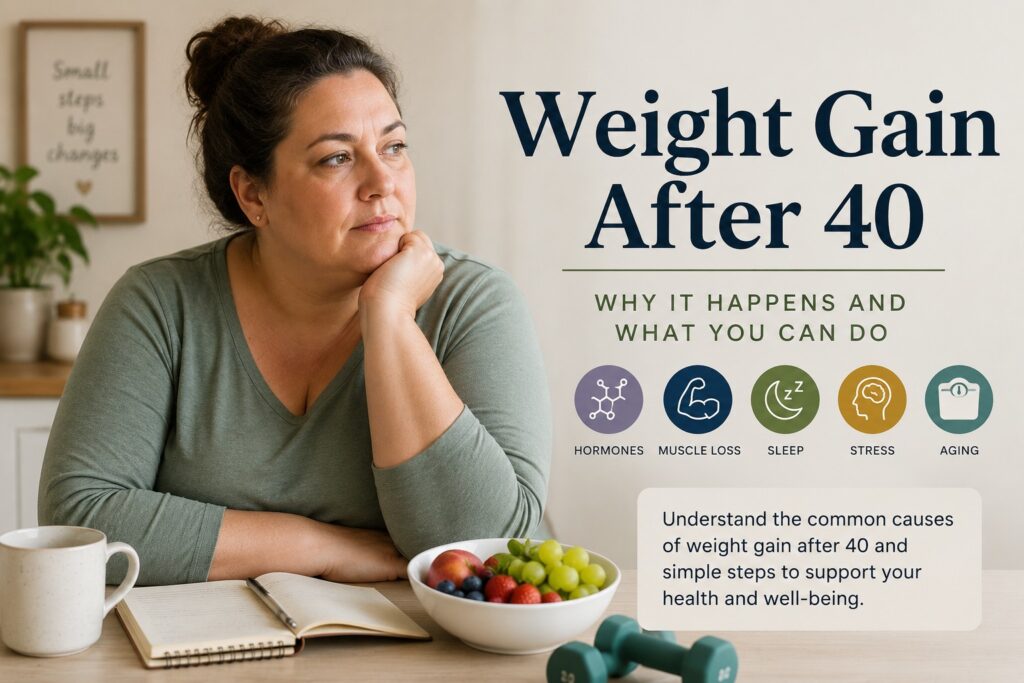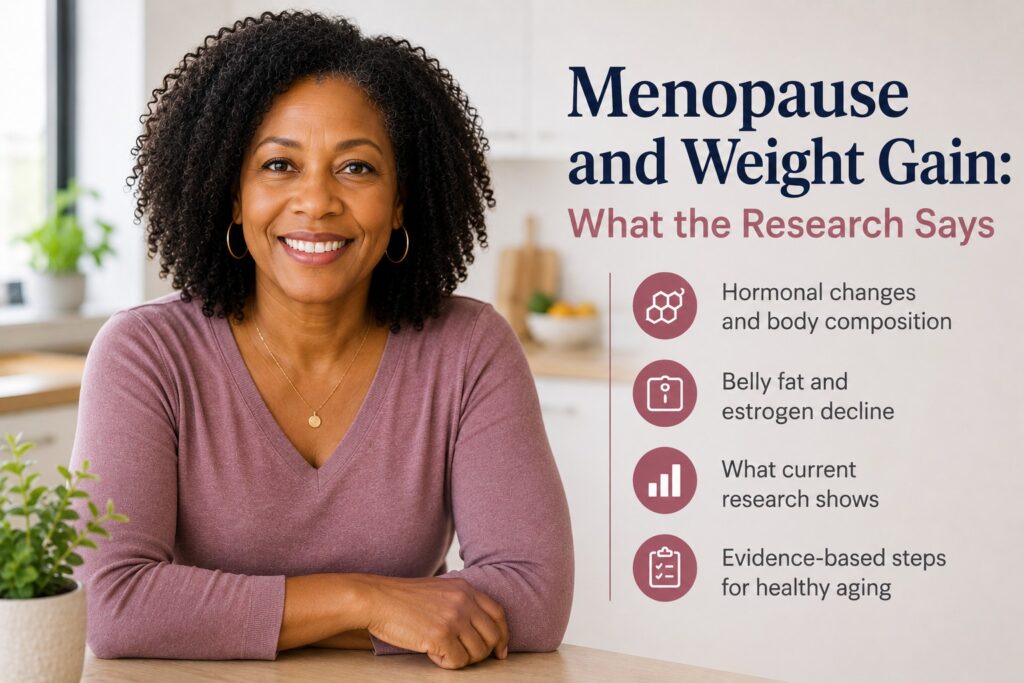
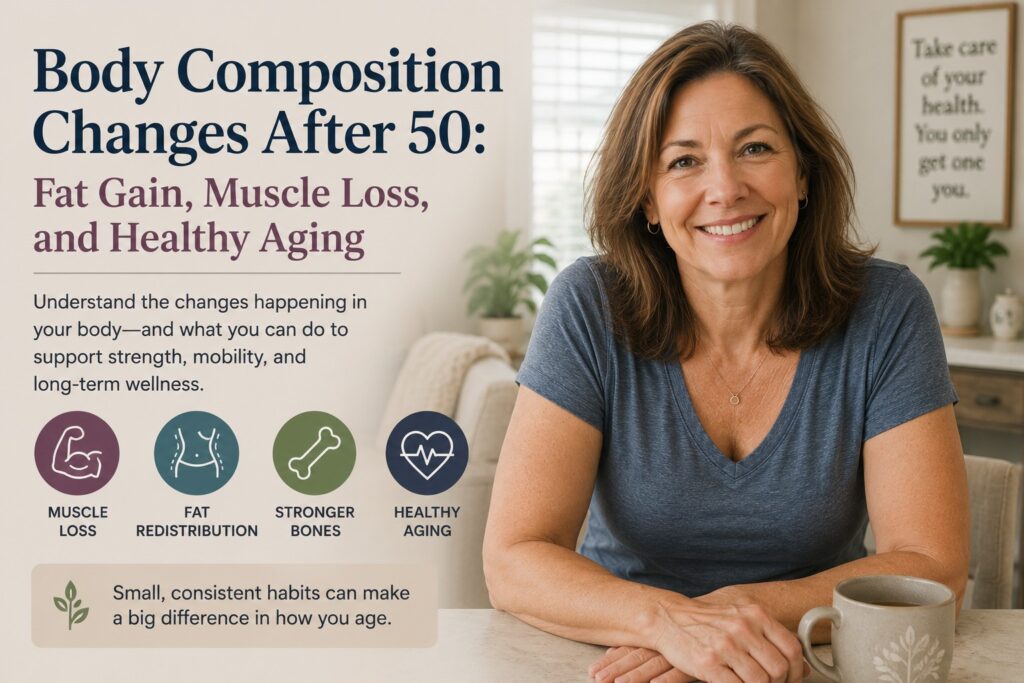
Many women notice that their bodies begin to look and feel different after age 50—even if the number on the scale hasn’t changed much. Clothes may fit differently, strength may decline, and maintaining a healthy weight can seem more challenging than it did in earlier decades.
These changes are often related to body composition, which refers to the proportion of fat, muscle, bone, and other tissues that make up your body. While some changes are a natural part of aging, they are also influenced by factors such as menopause, physical activity, nutrition, and overall health.
Understanding how body composition changes over time can help explain why weight alone doesn’t always tell the full story. More importantly, it highlights why preserving muscle and supporting healthy aging are often more meaningful goals than simply losing pounds.
In this article, we’ll explore what body composition is, why it changes after 50, what current research suggests, and practical lifestyle habits that may help support long-term health and physical function.
What Is Body Composition?
Body composition describes what your body is made of. Instead of focusing only on total body weight, it looks at the different tissues that contribute to that weight.
These include:
- Body fat
- Skeletal muscle
- Bone
- Organs
- Body water
Two people can weigh exactly the same but have very different body compositions. For example, one person may have more muscle and less body fat, while another may have less muscle and a higher percentage of body fat.
Because muscle is denser than fat, body composition provides a more complete picture of overall health than body weight or body mass index (BMI) alone.
For women over 50, body composition often becomes a more useful measure of healthy aging because it reflects changes in strength, mobility, and metabolic health that may not be visible on the scale.
Why Does Body Composition Change After 50?
Several natural biological processes contribute to changes in body composition as women age. These changes tend to occur gradually over many years rather than happening all at once.
Muscle Mass Naturally Declines
Beginning around midlife, adults gradually lose skeletal muscle as part of the aging process. Researchers refer to this age-related decline as sarcopenia.
The rate of muscle loss varies from person to person, but physical inactivity, inadequate protein intake, and certain health conditions may accelerate the process.
Since muscle tissue requires energy to maintain itself, losing muscle may also slightly reduce daily energy expenditure over time.
Body Fat Often Increases
At the same time that muscle mass declines, body fat tends to increase.
Research suggests that fat may also become redistributed throughout the body. Many women notice that fat accumulates more around the abdomen after menopause, even if their overall body weight changes very little.
This shift is influenced by hormonal changes, aging, genetics, and lifestyle factors rather than any single cause.
Hormonal Changes Play a Role
The menopause transition is associated with declining estrogen levels, which may contribute to changes in where fat is stored.
Rather than causing dramatic weight gain on its own, lower estrogen appears to influence body fat distribution, making abdominal fat more common after menopause.
Hormonal changes also interact with aging, sleep quality, physical activity, and nutrition, making body composition a multifactorial process rather than the result of one hormone alone.
Weight Isn’t the Whole Story
Many women focus primarily on the number displayed by the bathroom scale. However, body weight alone cannot distinguish between muscle, fat, bone, or water.
For example, someone may maintain the same body weight for several years while gradually losing muscle and gaining body fat. From the outside, the change may be subtle, but it can influence strength, balance, mobility, and long-term health.
This is one reason healthcare professionals increasingly encourage looking beyond weight alone when discussing healthy aging.
A healthier body composition—maintaining more muscle while limiting excess body fat—is often associated with better physical function, greater independence, and improved quality of life as women grow older.
How Muscle Loss Affects More Than Strength
Losing muscle isn’t only about becoming weaker. Skeletal muscle plays an important role in many aspects of health, including movement, balance, glucose regulation, and the ability to perform everyday activities.
As muscle mass gradually declines with age, women may notice changes such as:
- Reduced strength during daily tasks
- Greater difficulty carrying groceries or climbing stairs
- Slower walking speed
- Less endurance during physical activity
- More difficulty recovering after exercise
These changes often happen gradually, making them easy to overlook. Many women simply assume they’re “getting older,” when in reality much of the decline is related to changes in body composition rather than age alone.
Maintaining muscle is increasingly recognized as an important part of healthy aging because it supports independence, mobility, and overall quality of life.
Why Belly Fat Becomes More Common After 50
One of the most noticeable body composition changes for many women is an increase in abdominal fat.
Research suggests that after menopause, the body tends to store more fat around the midsection instead of the hips and thighs. This pattern is influenced by hormonal changes, particularly declining estrogen levels, but age-related changes in activity levels, sleep, and muscle mass also contribute.
It’s important to understand that this shift doesn’t happen because women are doing something “wrong.” Instead, it reflects several biological processes occurring at the same time.
Abdominal fat deserves attention because higher amounts of visceral fat—the fat stored around internal organs—have been associated with increased risks of several chronic health conditions, including cardiovascular disease and type 2 diabetes.
However, having some abdominal fat after menopause is common and does not automatically indicate poor health. Lifestyle habits remain one of the most important factors influencing long-term health outcomes.
Can You Improve Body Composition After 50?
Yes. Although aging brings natural changes, research consistently shows that body composition can still improve later in life.
The goal isn’t necessarily to achieve the same body you had at age 25. Instead, it’s to preserve muscle, support physical function, and reduce excess body fat in ways that promote healthy aging.
Small, consistent habits often make a greater difference than dramatic lifestyle changes.
Several evidence-based strategies may help support healthier body composition.
Stay Physically Active
Regular physical activity remains one of the most effective ways to support healthy aging.
Current guidelines recommend combining:
- Aerobic exercise
- Muscle-strengthening activities
- Balance exercises
- Flexibility training
Each type of movement contributes differently to overall health and physical function.
Even moderate activity performed consistently may provide meaningful benefits over time.
Include Enough Protein
Protein provides the building blocks needed to maintain and repair muscle tissue.
Many experts suggest that older adults may benefit from paying closer attention to daily protein intake because muscle becomes less responsive to protein with age—a phenomenon sometimes called anabolic resistance.
Rather than focusing on supplements first, many women can meet their needs through a balanced eating pattern that includes foods such as:
- Fish
- Poultry
- Eggs
- Dairy products
- Beans
- Lentils
- Soy foods
- Nuts and seeds
We’ll explore protein recommendations for women over 50 in greater detail in an upcoming article.
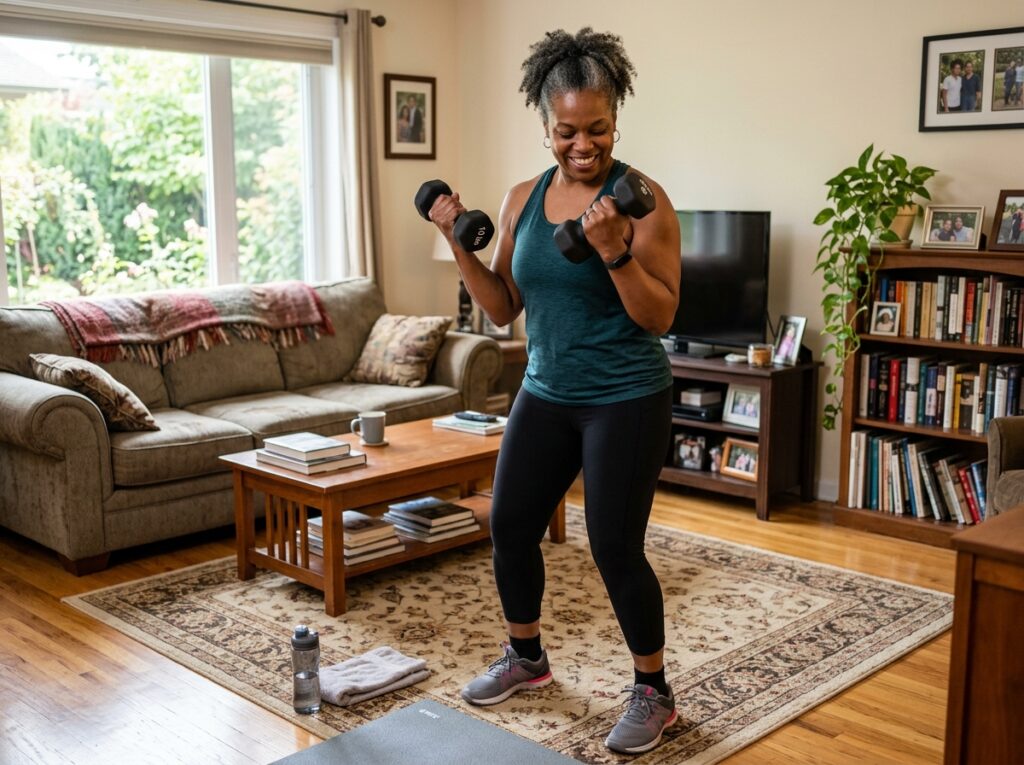
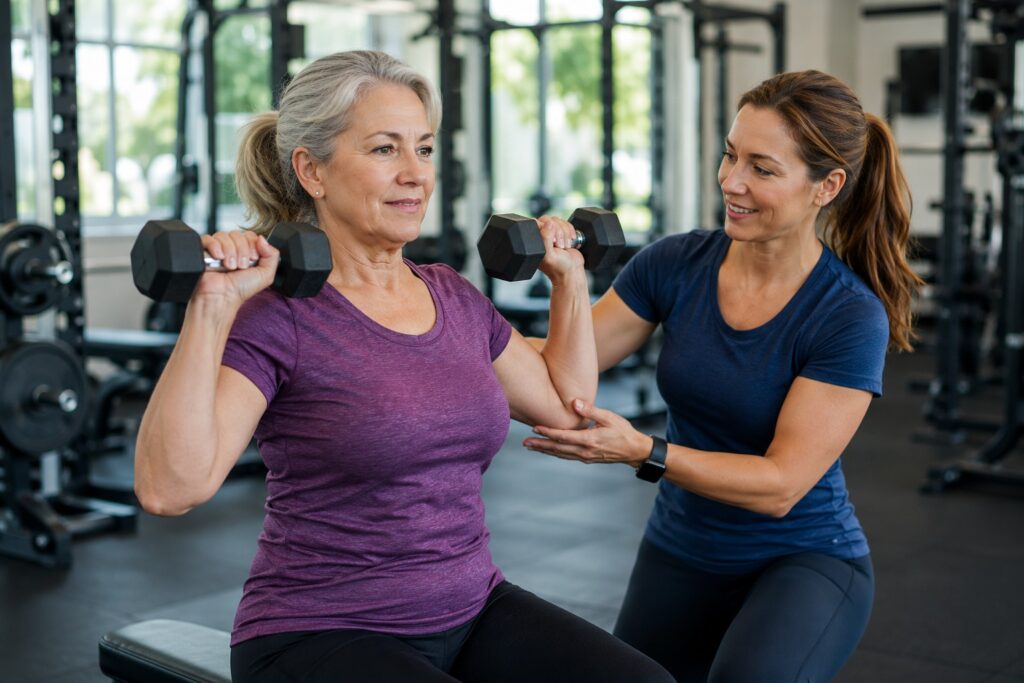
Prioritize Strength Training
Resistance exercise is considered one of the most effective ways to preserve muscle mass during aging.
Strength training doesn’t necessarily mean lifting heavy weights at a gym.
Depending on individual fitness levels, it may include:
- Resistance bands
- Bodyweight exercises
- Free weights
- Weight machines
- Functional movements
Research suggests that regular strength training may help improve muscle strength, physical function, balance, and overall quality of life in older adults.
Because of its importance, we’ll cover this topic in depth in our dedicated guide to Strength Training for Women Over 50.
Eat a Nutrient-Dense Diet
Healthy eating patterns support much more than body weight.
Foods rich in vitamins, minerals, fiber, healthy fats, and lean protein provide nutrients that support muscle health, bone health, cardiovascular health, and overall wellness.
Rather than following restrictive diets, many experts recommend sustainable eating patterns such as the Mediterranean-style diet, which emphasizes:
- Vegetables
- Fruits
- Whole grains
- Legumes
- Nuts
- Olive oil
- Fish
- Lean protein sources
Long-term consistency is generally more beneficial than short-term dieting.
Don’t Overlook Sleep and Stress
Sleep and chronic stress can also influence body composition.
Poor sleep may affect hormones involved in appetite regulation, while long-term stress can influence eating habits, physical activity, and overall well-being.
Although sleep and stress are only part of the picture, supporting healthy sleep habits and finding effective ways to manage stress may contribute to healthier lifestyle choices over time.
Healthy aging is rarely determined by a single habit. Instead, it’s the combination of nutrition, movement, sleep, and other lifestyle factors that helps support long-term health.
Healthy Aging Is About More Than Weight
It’s easy to focus on the number on the scale, especially when weight seems harder to manage after 50. But healthy aging involves much more than body weight alone.
Maintaining muscle strength, staying physically active, preserving mobility, and supporting overall health can have a greater impact on long-term well-being than reaching a specific weight goal.
Many healthcare professionals now encourage looking at the bigger picture rather than judging health solely by body weight or body mass index (BMI).
A healthier body composition can help support:
- Greater physical independence
- Better balance and stability
- Easier movement during everyday activities
- Improved metabolic health
- Better quality of life as you age
The goal isn’t to achieve a “perfect” body—it’s to maintain a body that allows you to stay active, strong, and engaged in the activities you enjoy.
When Should You Talk to a Healthcare Professional?
Gradual changes in body composition are a normal part of aging. However, some changes deserve medical attention.
Consider speaking with a healthcare professional if you experience:
- Rapid or unexplained weight loss
- Significant muscle weakness
- Frequent falls or balance problems
- Difficulty performing everyday activities
- Sudden changes in appetite
- Unintentional weight gain accompanied by other concerning symptoms
These symptoms may have causes beyond normal aging and are worth discussing with a qualified healthcare provider.
Frequently Asked Questions
Is it normal to lose muscle after age 50?
Yes. Most adults gradually lose muscle mass as they age, a process known as sarcopenia. While some muscle loss is considered a normal part of aging, regular physical activity—especially strength training—and adequate protein intake may help slow this process and support healthy muscle function.
Can I improve my body composition even after menopause?
Yes. Research suggests that women can continue improving muscle strength, reducing excess body fat, and supporting overall physical function well beyond menopause. Consistent lifestyle habits such as resistance exercise, balanced nutrition, and regular physical activity often make a meaningful difference over time.
Why does my body look different even if my weight hasn’t changed?
Body weight doesn’t distinguish between muscle and fat. It’s possible to lose muscle while gaining body fat without seeing a major change on the scale. This shift in body composition may change how clothes fit, alter body shape, and affect strength and mobility.
Is belly fat after menopause unavoidable?
An increase in abdominal fat is common after menopause because hormonal changes, aging, and shifts in body composition influence where fat is stored. However, lifestyle habits—including regular exercise, healthy eating, and maintaining muscle mass—may help support a healthier body composition and overall wellness.
Should I focus on losing weight or building muscle?
For many women over 50, preserving or building muscle while maintaining a healthy level of body fat is often a more meaningful goal than simply reducing body weight. Muscle supports strength, mobility, balance, and metabolic health, all of which contribute to healthy aging.
Conclusion
Body composition naturally changes as women grow older, but these changes are only part of the healthy aging journey. While gradual muscle loss and increases in body fat are common after age 50, they are influenced by many factors—including physical activity, nutrition, sleep, and the hormonal changes associated with menopause.
Perhaps the most important takeaway is that the number on the scale doesn’t tell the whole story. Two women with the same body weight can have very different amounts of muscle and body fat, leading to important differences in strength, mobility, and overall health.
Rather than pursuing rapid weight loss or unrealistic body goals, focusing on sustainable habits that support muscle preservation and long-term wellness may provide greater benefits as you age.
Simple steps such as staying active, eating a balanced diet, including enough protein, and incorporating regular strength training can help support healthier body composition and improve physical function over time.
Healthy aging isn’t about looking the same as you did decades ago. It’s about maintaining the strength, mobility, and independence that allow you to continue living an active and fulfilling life.
References
- National Institute on Aging. Sarcopenia (Age-Related Muscle Loss). U.S. Department of Health and Human Services. https://www.nia.nih.gov/health/sarcopenia
- National Institute on Aging. Exercise and Physical Activity: Your Everyday Guide from the National Institute on Aging. https://www.nia.nih.gov/health/exercise-and-physical-activity
- Centers for Disease Control and Prevention. How Much Physical Activity Do Older Adults Need? https://www.cdc.gov/physicalactivity/basics/older_adults/
- World Health Organization. Physical Activity Guidelines for Older Adults. https://www.who.int/news-room/fact-sheets/detail/physical-activity
- Cruz-Jentoft AJ, Bahat G, Bauer J, et al. Sarcopenia: Revised European Consensus on Definition and Diagnosis. Age and Ageing. 2019;48(1):16–31. https://doi.org/10.1093/ageing/afy169
- El Khoudary SR, Aggarwal B, Beckie TM, et al. Menopause Transition and Cardiovascular Disease Risk: Implications for Timing of Early Prevention. Circulation. 2020;142(25):e506–e532. https://doi.org/10.1161/CIR.0000000000000912
- North American Menopause Society (The Menopause Society). Menopause Topics: Weight Gain and Body Composition. https://menopause.org/
- Wolfe RR. The Underappreciated Role of Muscle in Health and Disease. The American Journal of Clinical Nutrition. 2006;84(3):475–482. https://doi.org/10.1093/ajcn/84.3.475
- Volpi E, Campbell WW, Dwyer JT, et al. Is the Optimal Level of Protein Intake for Older Adults Greater Than the Recommended Dietary Allowance? The Journals of Gerontology: Series A. 2013;68(6):677–681. https://doi.org/10.1093/gerona/gls229
- National Institutes of Health Office of Dietary Supplements. Protein Fact Sheet for Health Professionals. https://ods.od.nih.gov/
- Harvard T.H. Chan School of Public Health. The Nutrition Source: Protein. https://www.hsph.harvard.edu/nutritionsource/protein/
- Jensen MD, Ryan DH, Apovian CM, et al. 2013 AHA/ACC/TOS Guideline for the Management of Overweight and Obesity in Adults. Circulation. 2014;129(25 Suppl 2):S102–S138. https://doi.org/10.1161/01.cir.0000437739.71477.ee