Healthy eating often becomes more important as women grow older. While many people focus on finding the “best diet,” research increasingly suggests that long-term eating patterns matter far more than short-term meal plans or restrictive approaches.
After age 50, natural changes in muscle mass, bone health, metabolism, and body composition may influence nutritional needs. At the same time, maintaining a balanced eating pattern can support overall wellness, energy levels, cardiovascular health, and healthy aging.
Rather than promoting strict rules or eliminating entire food groups, experts generally recommend building eating habits that are realistic, enjoyable, and sustainable over time.
This article explains what healthy eating patterns look like after 50, why they matter, and how small daily choices can contribute to long-term health.
Why Nutrition Changes After 50
Aging affects nearly every system in the body.
Women may experience gradual changes in muscle mass, bone density, appetite, digestion, and energy needs. Hormonal changes associated with menopause can also influence body composition, making nutrition an increasingly important part of maintaining overall health.
These changes do not necessarily mean women need a completely different diet. Instead, they often benefit from placing greater emphasis on nutrient-dense foods that provide vitamins, minerals, protein, fiber, and healthy fats without relying heavily on highly processed foods.
Healthy eating after 50 is less about restriction and more about nourishing the body.
Supporting Healthy Aging
Food provides much more than calories.
A balanced eating pattern supplies nutrients that help support:
- muscle maintenance
- bone health
- heart health
- immune function
- brain health
- digestive health
- overall physical function
Although no single food can prevent age-related changes, consistently choosing nutritious foods may contribute to healthier aging over time.
Weight Management Is Only One Benefit
Many women begin searching for nutrition advice because they are concerned about weight.
While eating habits certainly influence body weight, nutrition also affects many other aspects of health, including energy levels, physical performance, and overall quality of life.
Focusing only on the scale may overlook these broader benefits.
For this reason, many healthcare organizations encourage adults to think about healthy eating as a lifelong investment rather than a temporary strategy for losing weight.
What Does a Healthy Eating Pattern Look Like?
Healthy eating patterns are not defined by a single “perfect” menu.
Instead, they emphasize balance, variety, and consistency across weeks, months, and years.
Different cultural traditions and personal preferences can all fit within a healthy eating pattern when they include mostly nutrient-dense foods.
Rather than trying to eat perfectly every day, most experts encourage building habits that are sustainable over the long term.
Fill Most of Your Plate With Whole Foods
Whole and minimally processed foods typically provide more vitamins, minerals, and fiber than heavily processed alternatives.
Examples include:
- vegetables
- fruits
- beans and lentils
- whole grains
- nuts and seeds
- fish
- poultry
- eggs
- dairy foods or fortified alternatives
These foods provide the building blocks needed to support overall health while helping create satisfying meals.
Don’t Fear Healthy Fats
For many years, dietary fat was viewed as something to avoid.
Current nutrition research paints a more balanced picture.
Healthy fats found in foods such as olive oil, avocados, nuts, seeds, and fatty fish play important roles in supporting heart health, brain function, and the absorption of certain vitamins.
The emphasis today is generally placed on replacing highly processed sources of saturated and trans fats with healthier unsaturated fats whenever possible.
Rather than eliminating fat altogether, the goal is to choose higher-quality sources as part of an overall balanced eating pattern.
Key Nutrients Women Over 50 Should Prioritize
Rather than focusing on individual “superfoods,” a healthy eating pattern is built around getting enough essential nutrients from a variety of foods.
Some nutrients become especially important after age 50 because they support healthy aging, mobility, and overall wellness.
Fiber Supports Digestive and Heart Health
Fiber is one of the nutrients many adults do not consume in adequate amounts.
Foods rich in fiber may help:
- support digestive health
- promote regular bowel movements
- increase feelings of fullness
- support healthy cholesterol levels
- contribute to healthy blood sugar regulation
Good sources of fiber include:
- vegetables
- fruits
- beans
- lentils
- oats
- barley
- whole-grain breads
- brown rice
- nuts and seeds
Choosing fiber-rich foods throughout the day is generally more beneficial than relying on fiber supplements unless recommended by a healthcare professional.
Calcium and Vitamin D Support Bone Health
Bone health becomes an increasingly important consideration after menopause.
Although aging naturally affects bone density, consuming enough calcium and vitamin D may help support normal bone maintenance as part of an overall healthy lifestyle.
Common dietary sources include:
- milk
- yogurt
- cheese
- fortified plant-based beverages
- canned salmon with bones
- sardines
- calcium-fortified foods
Vitamin D can also be obtained through sunlight exposure and, when necessary, supplements recommended by a healthcare provider.
Fruits and Vegetables Provide More Than Vitamins
Colorful fruits and vegetables supply vitamins, minerals, antioxidants, and plant compounds that contribute to overall health.
Rather than aiming for perfection, many nutrition experts encourage filling about half of each meal with fruits and vegetables whenever practical.
Eating a wide variety of colors throughout the week naturally increases the diversity of nutrients in the diet.
Examples include:
- leafy greens
- broccoli
- carrots
- berries
- citrus fruits
- tomatoes
- peppers
- squash
No single fruit or vegetable provides every nutrient, making variety more valuable than focusing on any one food.
Hydration Still Matters
Healthy eating isn’t only about food.
As people age, the body’s sense of thirst may become less noticeable, increasing the importance of drinking fluids regularly throughout the day.
Water remains the best choice for most people.
Other beverages that can contribute to hydration include:
- sparkling water without added sugar
- milk
- unsweetened tea
- coffee in moderation
- soups with lower sodium content
Many fruits and vegetables also contribute meaningful amounts of water.
Healthy Eating Is About Patterns, Not Perfection
One meal does not determine overall health.
Likewise, one dessert, holiday dinner, or restaurant meal is unlikely to undo months of healthy habits.
Research consistently shows that long-term eating patterns are far more important than occasional food choices.
This perspective helps reduce the “all-or-nothing” mindset that often causes people to abandon healthy habits after small setbacks.
Build Meals Around Balance
Instead of labeling foods as “good” or “bad,” consider how different foods work together.
A balanced meal often includes:
- vegetables or fruit
- whole grains or other high-fiber carbohydrates
- a source of lean protein
- healthy fats
This combination may help increase satisfaction while providing a broad range of nutrients.
Different meals can achieve this balance in many ways, depending on personal preferences, cultural traditions, and dietary needs.
Limit Highly Processed Foods Without Eliminating Them
Highly processed foods often contain larger amounts of added sugars, sodium, and refined grains while providing fewer beneficial nutrients.
That doesn’t mean they must be eliminated completely.
Many experts recommend viewing these foods as occasional parts of an overall healthy eating pattern rather than everyday staples.
A flexible approach is generally easier to maintain than one based on strict rules or complete restriction.
Small Changes Add Up
Healthy eating doesn’t require changing everything overnight.
Many women find lasting success by introducing one or two manageable habits at a time.
Examples include:
- adding vegetables to lunch
- replacing sugary drinks with water more often
- choosing whole grains more frequently
- preparing meals at home several nights each week
- including fruit as a regular snack
- planning grocery shopping before the week begins
Small improvements practiced consistently often have a greater long-term impact than dramatic short-lived changes.
Common Nutrition Mistakes After 50
Healthy eating can become confusing, especially with the constant flow of nutrition advice online. New diets, trending ingredients, and conflicting recommendations often make it difficult to know what truly matters.
Fortunately, most healthy eating patterns share the same foundation: balanced, nutrient-dense foods eaten consistently over time.
Avoiding a few common mistakes can make healthy eating simpler and more sustainable.
Focusing Too Much on Calories
Many women spend years believing that eating less is always the best strategy for managing weight.
While calorie balance plays a role in body weight, nutrition quality matters just as much.
A diet that is very low in calories but lacks essential nutrients may leave women feeling tired, hungry, and less able to maintain muscle mass or stay physically active.
Instead of asking, “How little can I eat?” a better question is, “How can I make each meal more nutritious?”
Skipping Meals
Some women skip breakfast or lunch in an effort to reduce calorie intake.
For some people, this may work well, but for others it can lead to excessive hunger later in the day, making it harder to make balanced food choices.
Rather than following rigid meal schedules, aim for a pattern that helps maintain steady energy and fits comfortably into your daily routine.
Relying on Restrictive Diets
Highly restrictive diets often promise quick results, but they can be difficult to maintain over the long term.
Eliminating entire food groups without a medical reason may also reduce the variety of nutrients in the diet.
Research increasingly supports flexible, sustainable eating habits over short-term diet plans that are difficult to follow.
Healthy eating should feel realistic enough to continue for years—not just weeks.
Ignoring Portion Awareness
Healthy foods are beneficial, but portion sizes still matter.
This doesn’t mean every meal needs to be weighed or measured. Instead, becoming more mindful of portion sizes can help create balanced meals without unnecessary restriction.
Paying attention to hunger and fullness cues may also help develop a healthier relationship with food over time.
Healthy Eating Works Best Alongside Other Lifestyle Habits
Nutrition is only one part of healthy aging.
Women who combine balanced eating with regular physical activity, strength training, adequate sleep, and stress management often build healthier routines than those who focus on a single habit alone.
These lifestyle factors support one another and create a stronger foundation for long-term wellness.
Stay Physically Active
Healthy eating provides the nutrients your body needs, while regular movement helps maintain cardiovascular health, mobility, and physical function.
Walking, cycling, swimming, gardening, dancing, and other enjoyable activities can all contribute to a more active lifestyle.
Our guide to Walking After 50: Benefits for Mobility, Wellness, and Weight Management explains why consistent movement remains one of the most valuable habits for healthy aging.
Preserve Muscle Through Strength Training
Maintaining muscle becomes increasingly important after age 50.
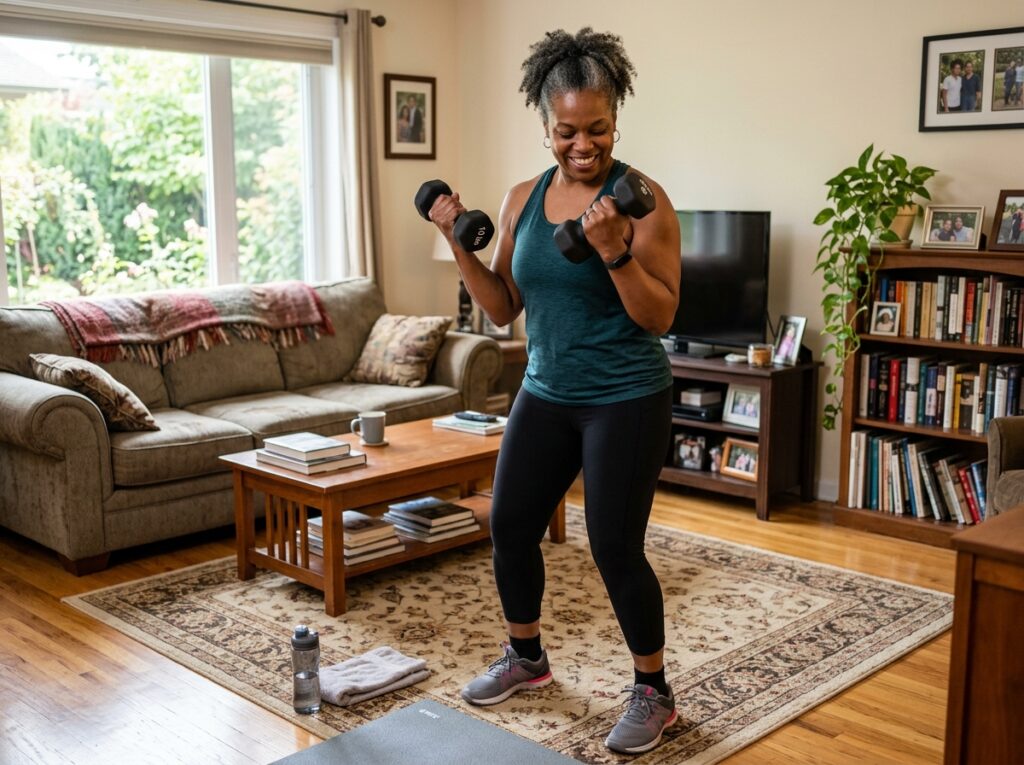
Strength training complements healthy eating by helping preserve muscle mass, support bone health, and improve functional fitness.
Together, nutritious eating and resistance exercise provide a strong foundation for maintaining independence later in life.
Readers interested in learning more can explore our article Strength Training for Women Over 50: Benefits Beyond Weight Loss.
Build Habits You Can Maintain
One of the strongest predictors of long-term success is consistency.
Instead of aiming for a “perfect” diet, focus on creating habits that naturally fit your lifestyle.
Helpful strategies include:
- planning meals before grocery shopping
- keeping healthy snacks available
- preparing simple meals at home
- eating mindfully without distractions when possible
- allowing flexibility for social occasions and celebrations
Healthy eating should support your life—not make everyday living more stressful.
When nutritious choices become routine rather than temporary, they are much more likely to last for years.
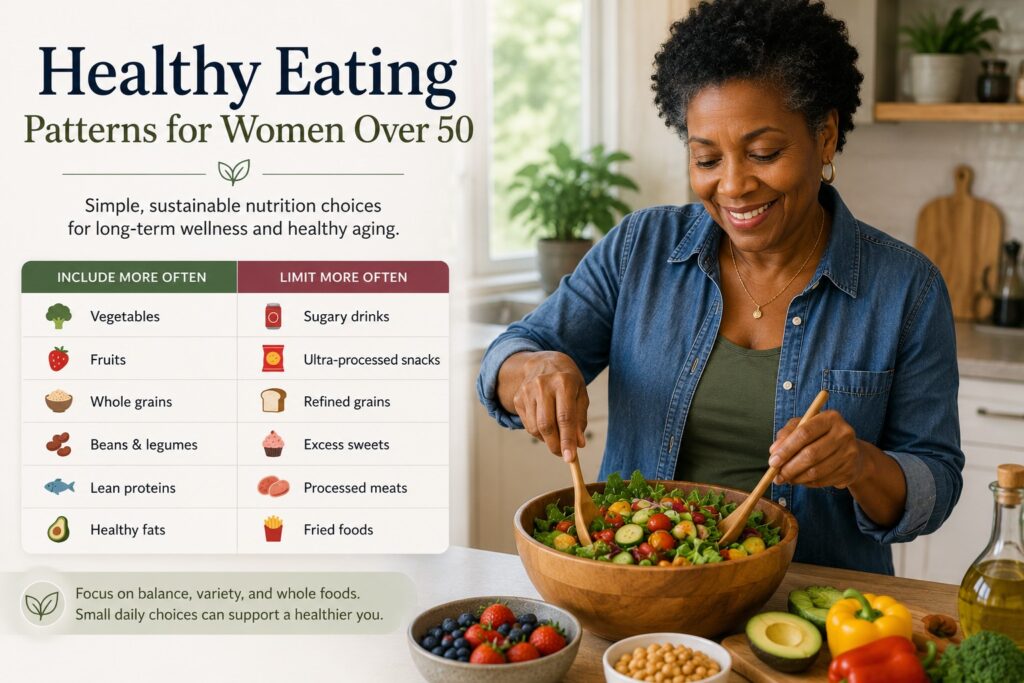
| Include More Often | Limit More Often |
|---|---|
| Vegetables | Sugary drinks |
| Fruits | Ultra-processed snacks |
| Whole grains | Refined grains |
| Beans & legumes | Excess sweets |
| Lean proteins | Processed meats |
| Healthy fats | Fried foods |
Conclusion
Healthy eating after 50 is not about following a perfect diet or eliminating your favorite foods. Instead, it’s about creating a balanced eating pattern that supports your body as it changes with age.
Choosing a variety of nutrient-dense foods, staying hydrated, and building meals around whole foods can help support heart health, bone health, muscle maintenance, digestive health, and overall well-being. These habits also complement regular physical activity and strength training, creating a stronger foundation for healthy aging.
Perhaps the most important takeaway is that consistency matters more than perfection. Small, sustainable improvements practiced over months and years are more likely to support long-term health than highly restrictive diets that are difficult to maintain.
Healthy eating is ultimately an investment in your future. Every balanced meal is an opportunity to nourish your body, maintain your independence, and support a healthier, more active life after 50.
References
- U.S. Department of Agriculture (USDA). Dietary Guidelines for Americans 2020–2025. https://www.dietaryguidelines.gov/
- National Institute on Aging (NIA). Healthy Eating As You Age. https://www.nia.nih.gov/health/healthy-eating
- Centers for Disease Control and Prevention (CDC). Healthy Weight, Nutrition, and Physical Activity. https://www.cdc.gov/healthyweight/
- Harvard T.H. Chan School of Public Health. The Nutrition Source – Healthy Eating Plate. https://www.hsph.harvard.edu/nutritionsource/
- American Heart Association. Healthy Eating. https://www.heart.org/
- World Health Organization (WHO). Healthy Diet Fact Sheet. https://www.who.int/news-room/fact-sheets/detail/healthy-diet