Walking is one of the simplest and most accessible forms of physical activity, yet it often receives less attention than more intense workouts. For many women over 50, however, walking can become an important part of a healthy lifestyle because it supports movement, cardiovascular health, and long-term physical function without requiring expensive equipment or specialized training.
Although walking alone is not a guaranteed solution for weight loss, regular walking may contribute to maintaining a healthy weight when combined with balanced nutrition, strength training, and other healthy habits. More importantly, it supports overall well-being by helping women stay active as their bodies naturally change with age.
Research suggests that consistent physical activity—including walking—can improve cardiovascular fitness, reduce sedentary time, support mental well-being, and help preserve independence later in life. These benefits extend far beyond the number shown on a scale.
This article explains why walking remains one of the most valuable forms of exercise after age 50, what current research says about its health benefits, and how to incorporate it into a sustainable wellness routine.
Why Walking Becomes More Important After 50
Growing older naturally brings changes to the body. Muscle mass gradually declines, joints may become stiffer, balance can change, and daily energy expenditure often decreases. These changes do not mean that staying active becomes less important—in fact, they make regular movement even more valuable.
Walking provides a practical way to stay physically active without placing excessive stress on the body. Unlike high-impact activities, walking is generally well tolerated by many adults and can easily be adapted to different fitness levels.
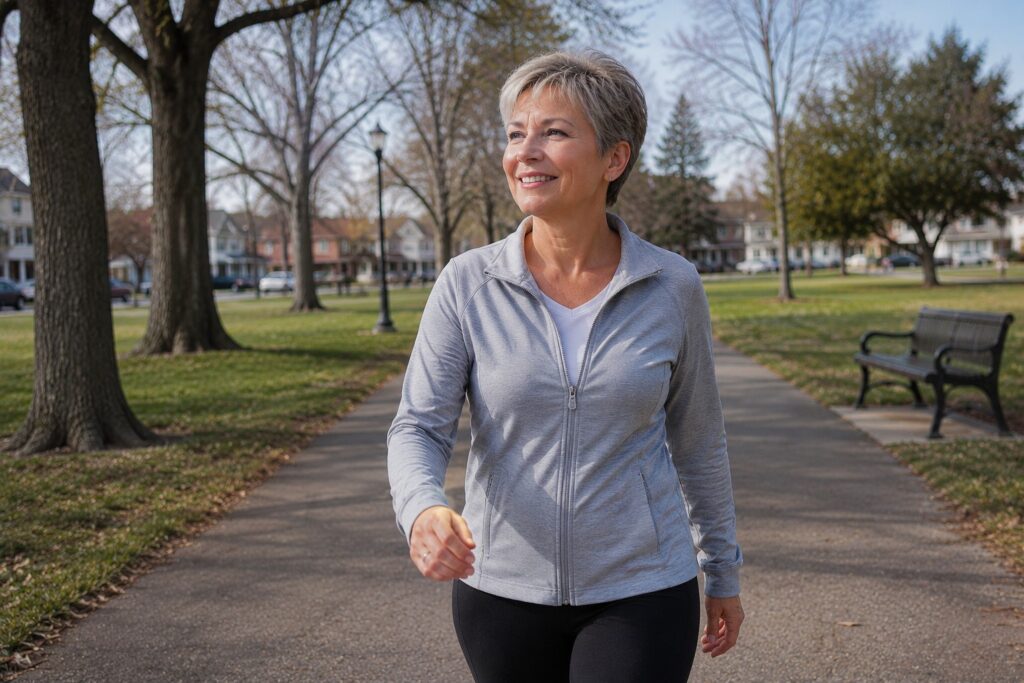
Many women also find walking easier to maintain over the long term because it fits naturally into everyday life. Whether it’s a morning walk through the neighborhood, an afternoon walk with a friend, or several shorter walks throughout the day, consistency often matters more than intensity.
Rather than focusing on burning calories, many health organizations encourage adults to think about walking as a lifelong habit that supports healthy aging.
Walking Supports Everyday Function
One of the greatest advantages of regular walking is that it helps maintain the ability to perform everyday activities.
Walking regularly may help support:
- endurance for daily tasks
- balance and coordination
- joint mobility
- leg strength
- confidence with movement
- overall physical independence
These benefits become increasingly important as women age because maintaining mobility is closely linked to quality of life.
A Low-Impact Form of Exercise
Many women hesitate to exercise because of knee discomfort, previous injuries, or concerns about high-impact workouts.
Walking offers an alternative that is generally gentle on the joints while still providing meaningful health benefits. Comfortable footwear, gradual progression, and choosing appropriate walking surfaces can make the activity accessible for many individuals.
While some people may require modifications based on specific medical conditions, walking remains one of the most commonly recommended forms of aerobic activity for older adults.
How Walking Supports Healthy Weight Management
One of the biggest misconceptions about walking is that it must produce dramatic weight loss to be worthwhile. In reality, healthy weight management involves much more than calorie burning.
Body weight is influenced by numerous factors, including nutrition, sleep, stress, medications, hormonal changes, genetics, muscle mass, and overall physical activity.
Walking contributes by increasing daily movement, which may help improve overall energy expenditure. Even modest increases in daily activity can support healthier habits over time.
More importantly, walking often encourages other positive lifestyle behaviors. People who establish a regular walking routine may also become more mindful of sleep, nutrition, hydration, and overall wellness.
For this reason, experts increasingly view walking as one component of a comprehensive healthy aging strategy rather than a standalone weight-loss solution.
Walking Helps Reduce Sedentary Time
Modern lifestyles involve prolonged periods of sitting.
Extended sedentary behavior has been associated with poorer cardiovascular health, reduced physical function, and metabolic changes.
Adding regular walks throughout the day helps interrupt long periods of inactivity. Even brief walking breaks may contribute to greater daily movement and encourage healthier routines.
Rather than asking whether a single walk burns enough calories, a more useful question is whether walking helps replace hours of inactivity. For many women, the answer is yes.
Consistency Matters More Than Intensity
Many exercise programs fail because they are difficult to sustain.
Walking is different.
Because it requires little preparation and can be adjusted to individual abilities, many women find it easier to continue for months or years rather than weeks.
Research consistently shows that maintaining regular physical activity is more beneficial than repeatedly starting and stopping intense exercise programs.
A sustainable routine that fits comfortably into everyday life often provides greater long-term benefits than occasional high-intensity workouts.
Cardiovascular and Metabolic Health Benefits
Walking is often associated with weight management, but its health benefits extend much further. Regular walking supports multiple body systems that become increasingly important with age, including the heart, blood vessels, muscles, and brain.
Health organizations recommend that adults engage in regular aerobic activity because it contributes to long-term health, even when noticeable weight loss does not occur. This shift in perspective encourages women to focus on overall wellness rather than the number on the scale.
Supporting Heart Health
Heart disease remains one of the leading health concerns for women later in life. While no single habit can eliminate risk, regular physical activity is considered one of the cornerstones of cardiovascular health.
Walking may help support:
- healthy blood pressure
- healthy cholesterol levels
- circulation
- heart function
- overall cardiovascular fitness
Combined with other healthy lifestyle habits, these benefits may contribute to healthier aging over the long term.
Helping Maintain Blood Sugar Balance
Regular movement also plays a role in how the body uses glucose for energy.
During physical activity, muscles use glucose more efficiently, which may support healthy blood sugar regulation. While walking is not a treatment for diabetes, research suggests that consistent physical activity can be part of a healthy lifestyle that supports metabolic health.
For many women over 50, this becomes increasingly relevant because age-related changes, menopause, and reduced muscle mass may all influence how the body regulates blood sugar.
Walking Supports Mental Well-Being
The benefits of walking are not limited to physical health.
Many women report that regular walks improve their mood, reduce feelings of stress, and provide valuable time away from daily responsibilities. Walking outdoors may offer additional psychological benefits through exposure to natural environments and sunlight.
Although walking should not be viewed as a treatment for anxiety or depression, staying physically active is consistently associated with better emotional well-being and overall quality of life.
Better Sleep Through Regular Activity
Many women notice changes in sleep quality during midlife and beyond.
Regular physical activity, including walking, has been associated with better sleep in many adults. While results vary from person to person, establishing a consistent movement routine may help support healthier sleep patterns over time.
The timing of exercise can also matter. Some individuals prefer morning or afternoon walks if vigorous evening activity makes it more difficult to fall asleep.
How Much Walking Do You Really Need?
One of the most common questions is whether there is a “magic number” of daily steps.
The answer is more nuanced than many headlines suggest.
Although 10,000 steps per day has become a popular goal, it did not originate from scientific guidelines. Instead, researchers increasingly emphasize that more movement is generally better than less movement, and meaningful health benefits can occur well below 10,000 daily steps.
For women who are currently inactive, simply adding regular walks can provide important health benefits.
General Physical Activity Guidelines
Current public health recommendations encourage adults to aim for approximately:
- at least 150 minutes of moderate-intensity aerobic activity each week,
or
- 75 minutes of vigorous aerobic activity,
along with muscle-strengthening activities on at least two days each week.
Walking can contribute toward the aerobic portion of these recommendations.
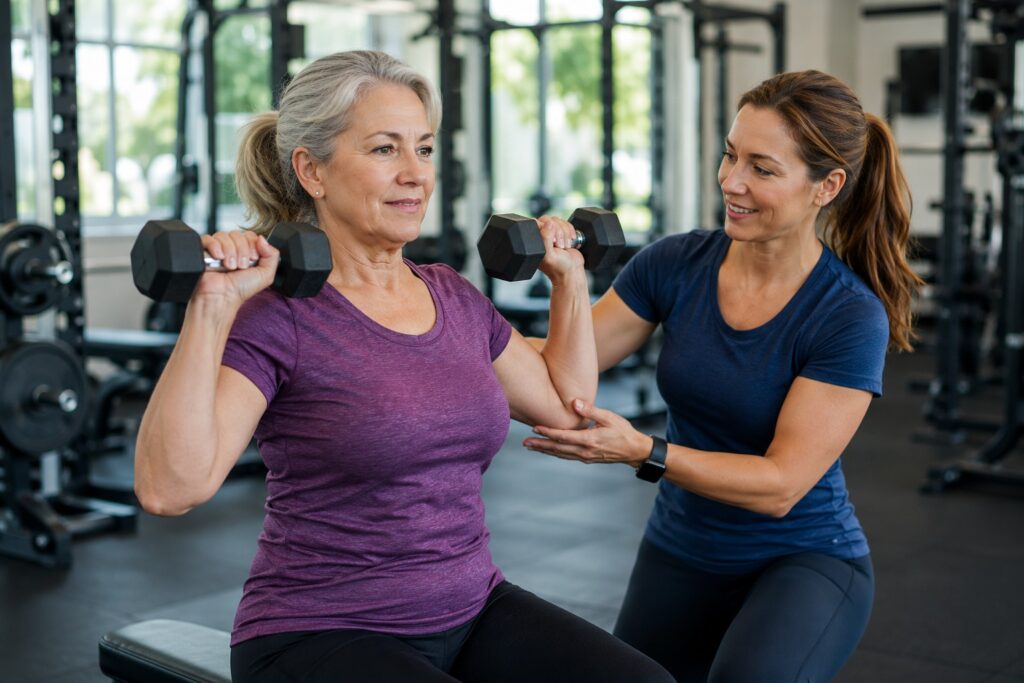
This is also why walking and strength training complement one another rather than compete. Walking supports cardiovascular fitness and daily movement, while resistance exercise helps preserve muscle mass, bone health, and physical function.
Walking Pace Matters Less Than Consistency
Many women worry that they are walking too slowly.
In reality, the best walking pace is one that can be maintained comfortably while still feeling moderately challenging.
A brisk walk may improve cardiovascular fitness more effectively than a leisurely stroll, but any increase in regular movement is generally preferable to remaining sedentary.
The goal is to develop a routine that can be maintained throughout the year—not just for a few weeks.
Building a Sustainable Walking Habit
Consistency often comes from making walking easy rather than complicated.
Helpful strategies include:
- scheduling walks at the same time each day
- walking with a friend or family member
- listening to music or podcasts
- choosing enjoyable routes
- starting with short distances and gradually increasing duration
- focusing on weekly consistency instead of daily perfection
Missing a walk occasionally is normal. Long-term success comes from returning to the routine rather than striving for flawless consistency.
Common Barriers to Walking After 50 and How to Overcome Them
Starting or maintaining a walking routine isn’t always as simple as putting on a pair of comfortable shoes. Many women over 50 face challenges such as busy schedules, joint discomfort, changing energy levels, or simply feeling unsure about where to begin.
The good news is that walking is highly adaptable. Small adjustments can make it easier to build a routine that feels realistic and enjoyable.
“I Don’t Have Enough Time”
One of the most common obstacles is a busy schedule. Between work, family responsibilities, caregiving, and other commitments, finding a dedicated hour for exercise may feel unrealistic.
Fortunately, walking doesn’t have to happen all at once.
Research suggests that shorter periods of physical activity accumulated throughout the day can still contribute to overall health. Three 10-minute walks, for example, can provide similar cardiovascular benefits to one continuous 30-minute walk.
Some practical ways to increase daily walking include:
- taking a walk after meals
- parking farther from entrances
- walking while talking on the phone
- taking movement breaks during the workday
- choosing stairs when appropriate
- walking the dog or inviting a friend to join you
Small opportunities to move often add up over the course of a week.
“My Joints Hurt”
Some women avoid walking because of knee, hip, or foot discomfort.
While persistent pain should always be evaluated by a healthcare professional, gentle movement may actually help reduce stiffness for many people, especially when paired with proper footwear and gradual progression.
Helpful strategies include:
- beginning with shorter walks
- choosing flat, even surfaces
- wearing supportive walking shoes
- warming up with gentle movement before walking
- allowing time for recovery if needed
The goal is to find a level of activity that feels manageable rather than pushing through significant pain.
“I’m Not in Good Shape”
Many people believe they need to become fit before they can begin exercising.
Walking turns that idea around.
Because the intensity can be adjusted, walking allows individuals to improve their fitness gradually. Every walk contributes to building endurance, confidence, and physical capacity over time.
Starting slowly is not a sign of failure—it’s often the safest and most sustainable approach.
Weather and Seasonal Challenges
Weather can also interrupt a walking routine.
Rather than abandoning the habit during hot summers, cold winters, or rainy weeks, consider alternatives such as:
- indoor shopping malls
- community recreation centers
- indoor tracks
- walking on a treadmill
- following indoor walking videos at home
Flexibility helps maintain consistency throughout the year.
Making Walking Part of a Healthy Aging Lifestyle
Walking works best when viewed as one piece of a larger wellness strategy.
Healthy aging is influenced by many interconnected lifestyle habits, and no single behavior determines long-term health. Walking complements other healthy choices rather than replacing them.
For women over 50, a balanced lifestyle often includes:
- regular aerobic activity such as walking
- strength training to preserve muscle and bone health
- nutritious eating patterns
- adequate sleep
- stress management
- regular preventive healthcare
Together, these habits support mobility, independence, and overall quality of life.
Pair Walking With Strength Training
Walking and strength training provide different—but complementary—benefits.
Walking primarily supports cardiovascular health, endurance, and daily movement. Strength training helps maintain muscle mass, supports bone health, and preserves functional ability as women age.
Combining both forms of exercise creates a more balanced fitness routine than relying on either one alone.
Readers interested in preserving muscle mass and maintaining independence can learn more in our guide to Strength Training for Women Over 50.
Nutrition Supports Your Activity
Physical activity and nutrition work together.
Walking increases energy expenditure, while a balanced eating pattern provides the nutrients needed to support overall health, muscle maintenance, and recovery.
Rather than focusing on restrictive diets, many experts recommend sustainable eating patterns that emphasize:
- vegetables and fruits
- whole grains
- lean protein sources
- healthy fats
- fiber-rich foods
Our upcoming guide on Healthy Eating Patterns for Women Over 50 explores these principles in greater depth.
Focus on Progress, Not Perfection
One missed walk—or even one missed week—doesn’t erase the benefits of an active lifestyle.
Healthy aging is built through consistent habits practiced over months and years, not through short bursts of perfect behavior.
Instead of aiming for perfection, consider questions such as:
- Am I moving more than I was a month ago?
- Can I walk a little farther or more comfortably than before?
- Do I feel stronger or more energetic?
These meaningful improvements often reflect progress far better than a number on the scale.
Over time, a simple walking routine can become one of the easiest habits to maintain—and one of the most valuable investments in long-term health.
Conclusion
Walking may seem simple, but its long-term impact on health can be significant.
For women over 50, regular walking offers benefits that extend well beyond weight management. It supports cardiovascular health, mobility, mental well-being, physical independence, and an active lifestyle that can help improve quality of life as the years go by.
Perhaps most importantly, walking is an activity that many women can realistically maintain. Unlike exercise programs that require specialized equipment or intense training, walking can be adapted to different fitness levels, schedules, and personal preferences.
While walking alone is unlikely to produce dramatic weight loss, it can play an important role within a broader healthy aging strategy that also includes balanced nutrition, strength training, adequate sleep, and other healthy lifestyle habits.
The goal isn’t to reach a perfect step count or follow an ideal routine every day. The goal is to keep moving consistently.
Small walks, repeated over weeks, months, and years, can contribute to better health, greater mobility, and continued independence throughout later life.
References
- U.S. Department of Health and Human Services. Physical Activity Guidelines for Americans, 2nd Edition. https://health.gov/our-work/nutrition-physical-activity/physical-activity-guidelines
- Centers for Disease Control and Prevention (CDC). Benefits of Physical Activity. https://www.cdc.gov/physicalactivity/basics/pa-health/index.htm
- National Institute on Aging (NIA). Exercise and Physical Activity: Your Everyday Guide. https://www.nia.nih.gov/health/exercise-and-physical-activity
- American Heart Association. Walking. https://www.heart.org/
- World Health Organization. Physical Activity Fact Sheet. https://www.who.int/news-room/fact-sheets/detail/physical-activity
- Harvard T.H. Chan School of Public Health. The Nutrition Source – Physical Activity. https://www.hsph.harvard.edu/nutritionsource/