Protein has always been an important part of a healthy diet, but many women begin paying closer attention to it after age 50—and for good reason.
As we get older, our bodies naturally change. Muscle mass gradually declines, recovery may take longer, and staying strong becomes increasingly important for maintaining independence and enjoying everyday activities. These changes often lead women to ask whether they should be eating more protein than they did earlier in life.
The answer isn’t as simple as a single number.
How much protein you need depends on several factors, including your overall health, activity level, body size, and personal goals. While there are established nutritional recommendations, researchers studying healthy aging increasingly recognize that older adults may benefit from a different approach than younger adults.
Understanding why protein matters—and how it fits into an overall healthy lifestyle—can help you make informed choices without feeling overwhelmed by conflicting advice.
Why Protein Becomes More Important After 50
Most people think of protein as something that builds muscle, but its role goes far beyond that.
Protein provides amino acids that the body uses to repair tissues, produce enzymes and hormones, support immune function, and maintain healthy muscles, skin, bones, and organs. Every day, your body breaks down and rebuilds proteins as part of its normal maintenance process.
As we age, however, that process becomes less efficient.
Beginning in midlife, adults naturally lose muscle mass over time. For women, this gradual change may become more noticeable during and after menopause, when hormonal changes can also influence body composition.
Losing muscle isn’t just about becoming less strong. Muscle helps support balance, mobility, physical independence, metabolic health, and even the ability to recover from illness or injury.
The good news is that lifestyle choices continue to make a difference throughout life.
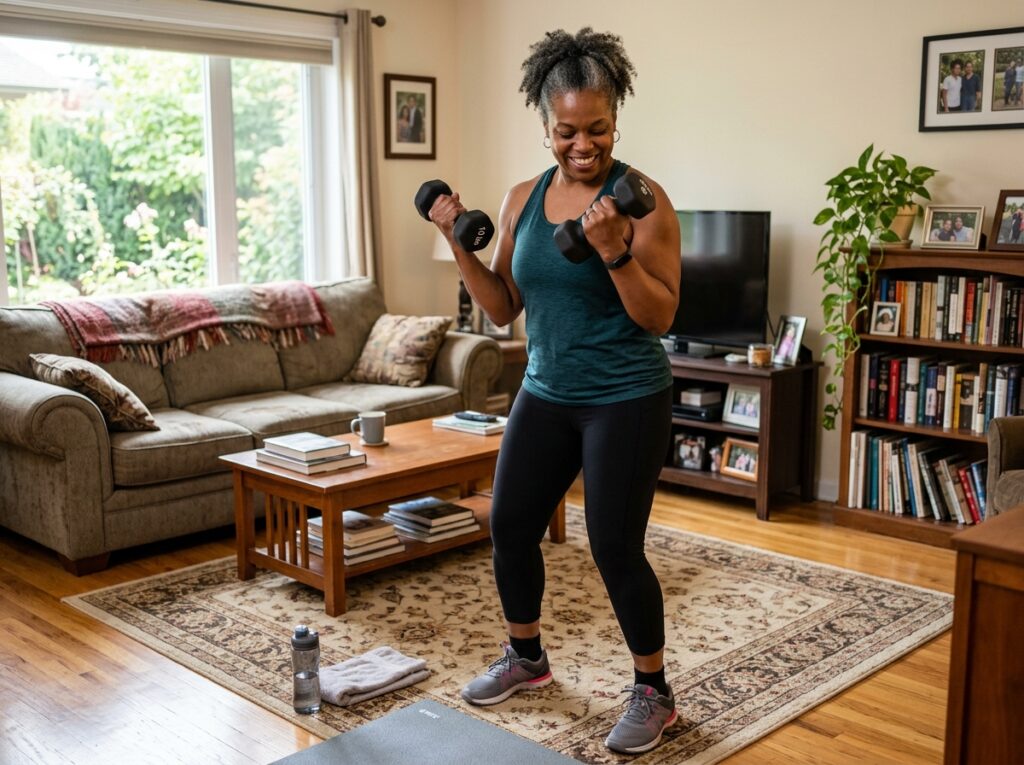
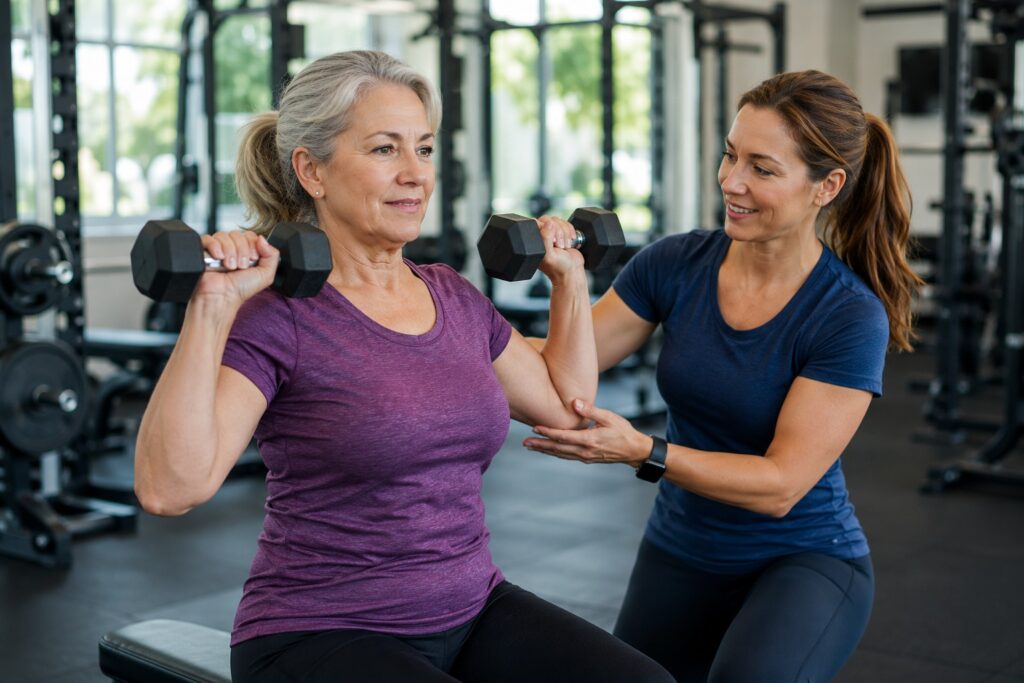
Research suggests that regular physical activity, especially strength training, combined with adequate protein intake, may help support healthy muscle maintenance as we age.
Protein alone isn’t a solution—but it’s one of the building blocks that allows the body to adapt to healthy habits.
So, How Much Protein Do You Really Need?
One reason protein recommendations can seem confusing is that you may come across different numbers from different sources.
The current Recommended Dietary Allowance (RDA) for healthy adults is 0.8 grams of protein per kilogram of body weight per day. This recommendation was developed to provide enough protein to prevent deficiency in most healthy adults.
However, preventing deficiency isn’t necessarily the same as supporting healthy aging.
Over the past two decades, researchers have increasingly studied whether older adults may benefit from consuming somewhat more protein to help maintain muscle mass and physical function.
Several expert groups now suggest that many healthy adults over 50 may benefit from protein intakes that are modestly higher than the minimum recommendation, particularly when they remain physically active.
Rather than focusing on reaching the highest possible protein intake, the goal is to consume enough protein to support your body’s needs while maintaining an overall balanced eating pattern.
That’s why there isn’t a single protein target that applies to every woman over 50.
Why Protein Needs Can Vary From One Woman to Another
Two women of the same age may have very different protein needs.
Several factors influence how much protein your body may require, including:
- Your body size
- Your level of physical activity
- Whether you regularly perform strength training
- Recovery from illness or surgery
- Overall health
- Total calorie intake
For example, a woman who strength trains several days each week may have different nutritional needs than someone with a more sedentary lifestyle.
Likewise, protein needs may temporarily increase during recovery from illness or injury, when the body is repairing damaged tissues.
Instead of comparing yourself to someone else’s diet, it’s more helpful to think of protein as one part of your overall healthy aging strategy rather than an isolated nutrition goal.
Protein Is About More Than Muscle
Although muscle health often receives the most attention, adequate protein supports many other aspects of healthy aging.
Protein contributes to:
- Tissue repair
- Immune function
- Healthy skin
- Bone health
- Enzyme and hormone production
- Recovery after physical activity
These benefits are one reason nutrition experts encourage older adults to include a source of protein as part of balanced meals rather than viewing it solely as a nutrient for athletes.
For most women, the objective isn’t to dramatically increase protein intake overnight. It’s to consistently include enough protein as part of an eating pattern that also includes vegetables, fruits, whole grains, healthy fats, and regular physical activity.
Can You Get Enough Protein From Food Alone?
For most women, the answer is yes.
A balanced diet that includes a variety of protein-rich foods can usually provide enough protein to support healthy aging without relying on supplements.
Whole foods also offer nutrients that protein powders can’t fully replace. Depending on the food you choose, you’ll also get vitamins, minerals, fiber, and healthy fats that contribute to overall health.
For example, fish provides omega-3 fatty acids, dairy products supply calcium, legumes add fiber, and nuts and seeds contain heart-healthy fats. These additional nutrients are one reason nutrition experts generally recommend getting protein from food whenever possible.
That doesn’t mean every meal needs to be high in protein. Instead, aim to include a quality protein source as part of your regular eating pattern.
If you’d like practical meal ideas, our guide to Healthy Eating Patterns for Women Over 50 explores simple ways to build balanced meals without following restrictive diets.
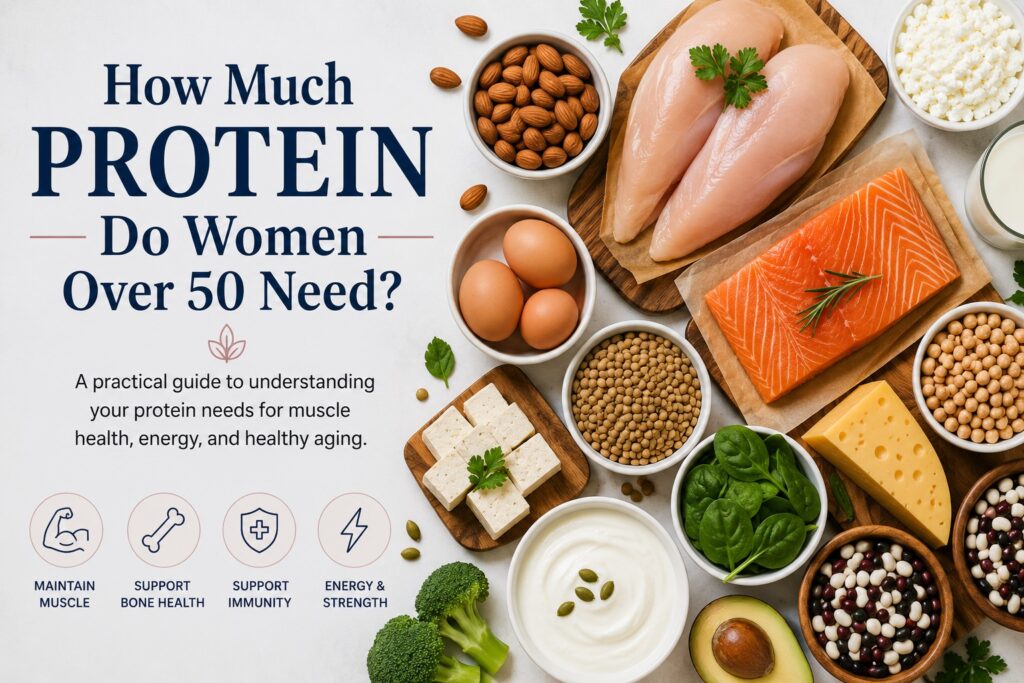
What Are Some Healthy Sources of Protein?
There isn’t a single “best” protein food. Eating a variety of protein sources can help provide a broader range of nutrients while making meals more enjoyable.
Animal-Based Protein Sources
Good options include:
- Chicken
- Turkey
- Fish and seafood
- Eggs
- Greek yogurt
- Cottage cheese
- Milk
- Lean cuts of beef or pork
Many of these foods provide additional nutrients that become increasingly important with age, including vitamin B12, calcium, iron, and vitamin D.
Plant-Based Protein Sources
Plant proteins can also contribute to a healthy diet.
Examples include:
- Lentils
- Black beans
- Chickpeas
- Tofu
- Tempeh
- Edamame
- Quinoa
- Nuts
- Seeds
Many plant-based protein foods also provide fiber, which supports digestive health and may help increase feelings of fullness after meals.
Rather than choosing one type over another, many healthy eating patterns include a combination of both animal- and plant-based protein sources.
Is It Better to Eat Protein Throughout the Day?
Research suggests that how you distribute protein throughout the day may be almost as important as how much you consume overall.
Many people eat relatively little protein at breakfast, a moderate amount at lunch, and most of it at dinner.
Instead, some researchers suggest that including a moderate amount of protein at each meal may better support the body’s ongoing process of repairing and maintaining muscle tissue.
Fortunately, this doesn’t require complicated meal planning.
Simple changes can make a difference, such as:
- Adding Greek yogurt or eggs to breakfast
- Including beans or grilled chicken in salads
- Choosing fish or lean poultry for dinner
- Pairing snacks with nuts or cottage cheese
The goal isn’t to follow rigid rules but to make protein a consistent part of your daily eating pattern.
Do Women Over 50 Need Protein Supplements?
Not usually.
Most healthy women can meet their protein needs through food alone.
However, there are situations where a protein supplement may be a practical option rather than a necessity.
For example, some women may find protein powders or ready-to-drink shakes helpful if they:
- Have a reduced appetite
- Have difficulty preparing meals
- Are recovering from illness
- Travel frequently
- Struggle to eat enough protein through food alone
Even then, supplements are generally intended to complement a healthy diet—not replace nutritious meals.
It’s also important to remember that protein powders vary widely in their ingredients, nutritional quality, and manufacturing standards.
Understanding your own protein needs should always come before choosing a supplement.
In an upcoming Bloomelle guide, we’ll explore what to look for when comparing protein powders and whether they make sense for different lifestyles and health goals.
Simple Ways to Increase Your Protein Intake
Meeting your protein needs doesn’t require a major diet overhaul.
Small, sustainable habits are often the easiest to maintain over time.
Consider these practical strategies:
- Include a source of protein with each meal.
- Choose protein-rich snacks when you’re hungry between meals.
- Build meals around whole foods instead of ultra-processed options.
- Combine adequate protein with regular strength training.
- Stay physically active in ways you enjoy.
- Focus on consistency rather than perfection.
Healthy aging is built through long-term habits, not short-term nutrition trends.
Frequently Asked Questions
Is more protein always better?
No. Protein is important, but consuming far more than your body needs hasn’t been shown to provide unlimited benefits. A balanced eating pattern remains the foundation of good nutrition.
Can protein help prevent age-related muscle loss?
Research suggests that adequate protein intake, combined with regular strength training and physical activity, may help support muscle maintenance as people age. Protein alone, however, cannot prevent muscle loss.
Should women over 50 eat protein after exercise?
Eating protein after resistance exercise may help support muscle repair and recovery. Many experts recommend including a source of protein within a reasonable period after exercise as part of an overall balanced diet.
Do I need protein powder if I exercise regularly?
Not necessarily. Many active women meet their protein needs through food alone. Protein supplements may offer convenience in some situations, but they aren’t required for everyone.
Conclusion
Protein is an essential nutrient at every stage of life, but it takes on added importance as women grow older.
While individual protein needs vary, research increasingly suggests that many women over 50 may benefit from paying closer attention to both the quality and consistency of their protein intake. Combined with regular physical activity—especially strength training—and a balanced eating pattern, adequate protein can help support healthy muscles, mobility, and overall well-being.
The good news is that meeting your protein needs doesn’t usually require a complicated diet or expensive supplements. For most women, building meals around a variety of protein-rich foods is a practical and sustainable place to start.
As research on healthy aging continues to evolve, protein remains one piece of a much larger picture—one that includes nutritious eating, regular movement, restorative sleep, and healthy lifestyle habits that support long-term wellness.
References
- National Institute on Aging. Healthy Eating As You Age. https://www.nia.nih.gov/health/healthy-eating
- National Institutes of Health, Office of Dietary Supplements. Dietary Supplements for Exercise and Athletic Performance. https://ods.od.nih.gov/factsheets/ExerciseAndAthleticPerformance-HealthProfessional/
- Academy of Nutrition and Dietetics. Older Adults: Nutrition and Healthy Aging. https://www.eatright.org
- Bauer J, Biolo G, Cederholm T, et al. Evidence-Based Recommendations for Optimal Dietary Protein Intake in Older People: A Position Paper From the PROT-AGE Study Group. Journal of the American Medical Directors Association. 2013;14(8):542–559.
- Deutz NEP, Bauer JM, Barazzoni R, et al. Protein Intake and Exercise for Optimal Muscle Function With Aging: Recommendations From the ESPEN Expert Group. Clinical Nutrition. 2014;33(6):929–936.