
Growing older doesn’t necessarily mean becoming less healthy. In fact, many women remain active and independent well into later life. One way to support long-term health is through preventive care, which includes routine health screenings that may identify certain conditions before noticeable symptoms develop.
Preventive health screenings are designed for people who feel well. Rather than diagnosing an illness after symptoms appear, these evaluations help healthcare professionals assess potential health risks, detect some conditions at an earlier stage, and determine whether additional testing or follow-up care may be appropriate.
Not every woman needs the same screenings or at the same intervals. Recommendations vary based on factors such as age, personal medical history, family history, previous test results, and individual risk factors. Current clinical guidelines provide a framework, but healthcare providers tailor preventive care to each person’s circumstances.
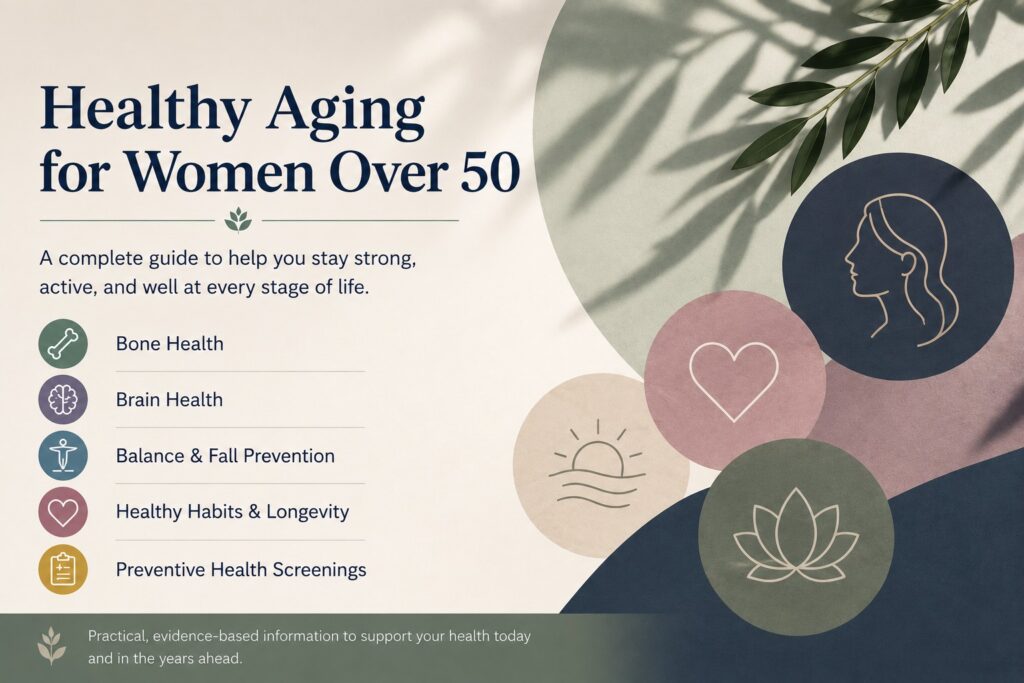
This guide explains how preventive screenings fit into healthy aging, which screenings are commonly recommended for women over 50, and why regular conversations with your healthcare provider remain an important part of preventive care.
Why Preventive Health Screenings Matter After 50
The likelihood of developing certain chronic conditions increases with age. Changes in bone density, cardiovascular health, vision, hearing, and metabolism often occur gradually over many years. Likewise, the risk of several cancers becomes higher as people grow older.
Many of these conditions develop silently, meaning they may not cause obvious symptoms during their earliest stages. Preventive screening aims to identify some of these conditions before symptoms appear, when healthcare providers may have more opportunities to monitor, evaluate, or manage them according to current clinical guidelines.
It’s important to understand that screening is only one part of preventive healthcare. Healthy lifestyle habits—including regular physical activity, nutritious eating patterns, quality sleep, stress management, and avoiding tobacco—remain fundamental components of healthy aging.
Rather than replacing healthy habits, preventive screenings complement them by providing additional information about your overall health.
Understanding the Difference Between Screening and Diagnosis
One of the most common sources of confusion is the difference between a screening test and a diagnostic test.
A screening test is intended for people who do not have symptoms. Its purpose is to look for early signs of certain health conditions or identify individuals who may benefit from additional evaluation.
A diagnostic test, on the other hand, is performed when a person already has symptoms or when a screening test suggests that further investigation is needed. Diagnostic testing helps healthcare professionals determine the cause of a specific health concern.
Understanding this distinction is helpful because preventive screening recommendations apply to people without symptoms. If you develop new or concerning symptoms, your healthcare provider may recommend a different evaluation based on your individual situation.
How Screening Recommendations Are Made
Health organizations develop screening recommendations by reviewing large bodies of scientific evidence. Independent expert panels evaluate whether the potential benefits of screening outweigh the possible risks for different groups of people.
Several respected organizations publish preventive screening guidelines in the United States, including:
- U.S. Preventive Services Task Force (USPSTF)
- Centers for Disease Control and Prevention (CDC)
- American College of Obstetricians and Gynecologists (ACOG)
- American Cancer Society (ACS)
These organizations generally agree on the importance of preventive care, although they may recommend slightly different ages or screening intervals for some conditions. These differences reflect how each organization interprets the available scientific evidence and balances potential benefits with possible risks.
For this reason, your healthcare provider may recommend a screening schedule that reflects both current clinical guidelines and your individual health profile.
Common Preventive Screenings Your Healthcare Provider May Discuss
Although preventive care is individualized, several screenings are commonly discussed with women over 50 as part of routine healthcare.
The following sections provide an overview of the most common preventive screenings and why they may be recommended. Rather than telling every woman which tests she should have, this guide explains the purpose of each screening and the factors that healthcare professionals typically consider when making recommendations.
Blood Pressure Screening
High blood pressure is one of the most common chronic health conditions among older adults. Because it often develops without noticeable symptoms, many people are unaware they have elevated blood pressure until it is identified during a routine healthcare visit.
Regular blood pressure measurements help healthcare professionals monitor cardiovascular health over time and estimate the risk of conditions such as heart disease, stroke, and kidney disease.
Blood pressure is typically checked during routine medical appointments. Depending on your overall health and medical history, your healthcare provider may recommend monitoring it more frequently.
Because blood pressure can change over time, ongoing monitoring often provides more useful information than a single measurement.
Cholesterol Screening
A cholesterol test measures several types of fats circulating in the bloodstream, including low-density lipoprotein (LDL), high-density lipoprotein (HDL), and triglycerides.
These results are not interpreted in isolation. Instead, healthcare professionals evaluate cholesterol levels alongside other cardiovascular risk factors, such as:
- Age
- Blood pressure
- Smoking status
- Diabetes
- Family history
- Overall cardiovascular risk
Periodic cholesterol testing helps build a more complete picture of cardiovascular health and may guide future discussions about lifestyle changes or additional preventive strategies.
Diabetes Screening
Type 2 diabetes becomes more common with increasing age, and many people have elevated blood sugar levels without experiencing noticeable symptoms.
Screening tests may help identify prediabetes or type 2 diabetes before complications develop. Early identification allows healthcare professionals to discuss lifestyle modifications, ongoing monitoring, or additional evaluation when appropriate.
Whether diabetes screening is recommended depends on multiple factors, including age, body weight, family history, and other health conditions. Your healthcare provider considers your overall risk profile when deciding which screening approach is most appropriate.
Breast Cancer Screening
Breast cancer is one of the most common cancers affecting women, and the likelihood of developing it generally increases with age. For this reason, breast cancer screening is an important component of preventive healthcare for many women over 50.
The primary screening test for women at average risk is mammography, an X-ray examination of the breast that can identify changes before they become noticeable during a physical exam or cause symptoms.
Most major U.S. organizations now recommend that women at average risk begin breast cancer screening around age 40. However, they may differ on the recommended screening interval (such as annual versus biennial mammography) and on specific recommendations for women over age 74 or those with additional risk factors. These differences reflect how each organization evaluates the available scientific evidence and balances the potential benefits of early detection with possible harms, such as false-positive results, additional imaging, unnecessary biopsies, or the detection of slow-growing cancers that might never become clinically significant. Healthcare providers use these guidelines, together with an individual’s medical history and risk factors, to help determine the most appropriate screening plan.
Rather than following a single recommendation for every woman, healthcare providers consider several factors when discussing breast cancer screening, including:
- Your age
- Family history of breast or ovarian cancer
- Personal history of breast conditions
- Genetic risk factors
- Previous mammogram results
- Your overall health and life expectancy
For women at higher-than-average risk, screening recommendations may differ from those intended for women at average risk.
Colorectal Cancer Screening
Colorectal cancer is another condition for which routine screening becomes increasingly important with age. Like many cancers, it may develop gradually without causing symptoms during its earliest stages.
One reason colorectal cancer screening is particularly valuable is that some screening tests can identify precancerous polyps—small growths inside the colon or rectum that may develop into cancer over time. In some cases, these polyps can be removed during the screening process, reducing the likelihood that cancer will develop.
Several screening options are available.
Stool-Based Tests
Stool-based tests analyze a stool sample for signs that may indicate colorectal cancer or advanced polyps, such as hidden blood or abnormal DNA.
These tests are noninvasive and can often be completed at home. If a stool-based screening test produces an abnormal result, a colonoscopy is typically recommended to investigate further.
Colonoscopy
A colonoscopy allows a healthcare professional to examine the inside of the colon using a flexible camera.
Unlike stool-based tests, colonoscopy not only detects abnormalities but also allows certain polyps to be removed during the same procedure.
Because each screening method has different advantages, limitations, preparation requirements, and recommended intervals, healthcare providers help patients choose the option that best fits their individual circumstances.
Bone Density Screening
Bone health becomes increasingly important after menopause because declining estrogen levels contribute to a gradual loss of bone density over time.
Osteoporosis often develops silently. Many women have no symptoms until a fracture occurs, which is why osteoporosis is sometimes called a “silent disease.”
A bone mineral density test, commonly known as a DEXA scan, measures bone strength and estimates the likelihood of future fractures.
Healthcare professionals consider multiple factors when deciding whether bone density screening is appropriate, including:
- Age
- Previous fractures
- Family history of osteoporosis
- Low body weight
- Certain medications
- Other medical conditions that affect bone health
Identifying reduced bone density before a fracture occurs allows women and their healthcare providers to discuss evidence-based strategies that may help support bone health and reduce fracture risk.
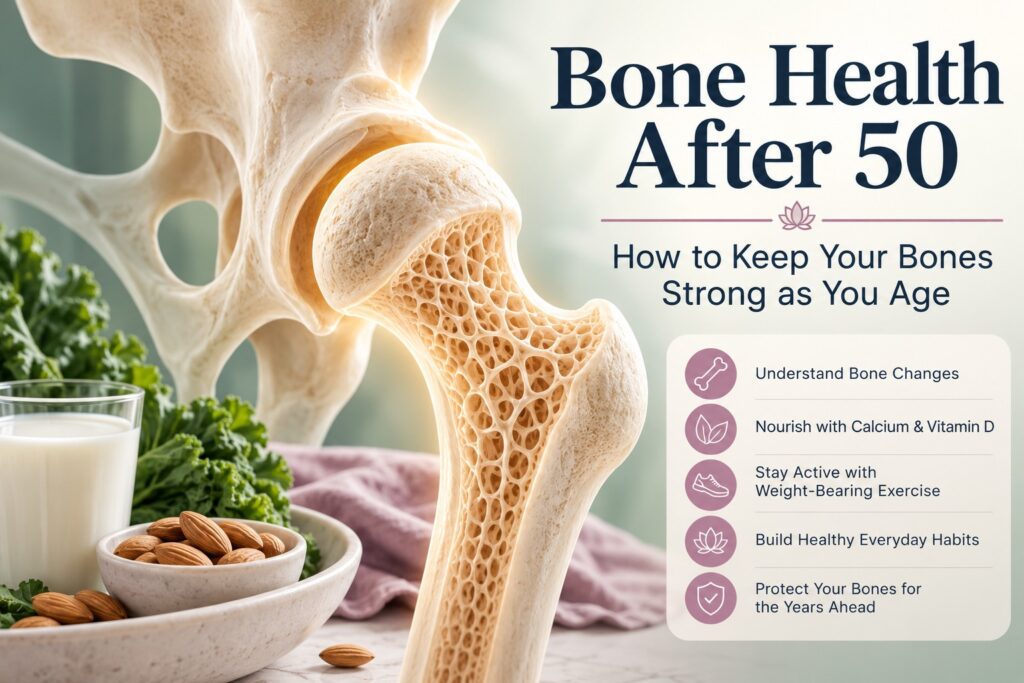
For more information about maintaining strong bones through nutrition, physical activity, and lifestyle habits, see our guide Bone Health After 50: How to Keep Your Bones Strong as You Age.
Cervical Cancer Screening
Many women assume that cervical cancer screening ends after age 50, but that’s not always the case. Screening recommendations depend on your age, overall health, previous screening results, and personal medical history rather than age alone.
Healthcare providers consider several factors when deciding whether cervical cancer screening should continue, including:
- Your previous Pap test results
- Your HPV (human papillomavirus) testing history
- Whether you’ve ever had abnormal cervical screening results
- Whether you’ve been treated for cervical precancer or cancer
- Whether your cervix was removed during a hysterectomy and the reason for the surgery
- Whether you have certain conditions that increase your risk, such as a weakened immune system
For women who have had adequate prior screening and are not considered at high risk, several U.S. clinical guidelines indicate that routine cervical cancer screening may no longer be recommended after age 65. However, women with certain risk factors or an incomplete screening history may need to continue screening beyond that age.
Because these recommendations are individualized, it’s important to review your screening history with your healthcare provider before stopping cervical cancer screening.ter meeting specific criteria established by current clinical guidelines. Others may benefit from continued screening based on their individual health history.
Vision and Eye Health
Changes in vision are a common part of aging, but not all vision changes are considered normal. Some eye conditions develop gradually and may not cause noticeable symptoms until vision has already been affected.
Comprehensive eye examinations may help identify conditions such as:
- Cataracts
- Glaucoma
- Age-related macular degeneration
- Diabetic eye disease (for women living with diabetes)
Regular eye examinations also help ensure that changes in vision are identified promptly, supporting reading, driving, physical activity, and maintaining independence.
Hearing Evaluations
Hearing gradually changes for many people as they age. Because these changes often occur slowly, they may not be immediately noticeable.
Signs that warrant a conversation with a healthcare professional include:
- Frequently asking others to repeat themselves
- Difficulty following conversations in noisy environments
- Turning up the television volume more than before
- Trouble hearing on the telephone
A hearing evaluation can determine whether hearing loss is present and whether additional assessment or treatment may be appropriate.
Maintaining good hearing supports communication, social engagement, and overall quality of life.
Skin Health and Skin Cancer Awareness
Skin changes become more common with age, making regular attention to skin health increasingly important.
Although recommendations for routine skin cancer screening vary among professional organizations, healthcare professionals generally encourage people to become familiar with their skin and report any concerning changes.
Examples include:
- A new mole
- A mole that changes in size, shape, or color
- A sore that does not heal
- Persistent bleeding or crusting skin lesions
Protecting your skin from excessive ultraviolet (UV) exposure throughout life also remains an important strategy for supporting long-term skin health.
Oral Health
Preventive healthcare also includes maintaining good oral health.
Regular dental visits may help identify:
- Tooth decay
- Gum disease
- Dry mouth
- Oral infections
- Early signs of oral cancer
Good oral health contributes to comfortable eating, clear speech, proper nutrition, and overall well-being throughout healthy aging.
Vaccinations Are an Important Part of Preventive Care
Preventive healthcare isn’t limited to screening tests. Staying up to date with recommended vaccinations is another important way to support healthy aging and reduce the risk of certain infectious diseases.
As we age, the immune system naturally undergoes changes that can make some infections more likely to result in serious illness or complications. Vaccination helps reduce these risks and is considered an essential component of preventive healthcare for older adults.
Depending on your age, medical history, previous vaccinations, and individual risk factors, your healthcare provider may recommend vaccines such as:
- Seasonal influenza (flu)
- COVID-19
- Shingles (herpes zoster)
- Pneumococcal disease
- Tetanus, diphtheria, and pertussis (Td or Tdap)
Because recommendations are periodically updated as new scientific evidence becomes available, it’s a good idea to review your vaccination status during routine wellness visits.
How Often Should Preventive Screenings Be Reviewed?
There is no universal screening schedule that applies to every woman over 50.
The frequency of preventive screenings depends on several factors, including:
- Your age
- Personal medical history
- Family history
- Previous screening results
- Current health conditions
- Lifestyle factors
- Overall risk profile
Some screenings may be recommended annually, while others are performed at longer intervals or only under certain circumstances.
Rather than focusing on memorizing screening schedules, many healthcare professionals encourage regular preventive care visits. These appointments provide an opportunity to review your health history, discuss any changes since your last visit, and determine which preventive services are appropriate according to current clinical guidelines.
Because recommendations may evolve as scientific evidence advances, reviewing your preventive care plan periodically helps ensure it remains appropriate for your individual needs.
Questions to Ask During Your Wellness Visit
Preparing questions before a routine healthcare appointment can help you make the most of your visit and better understand your preventive care plan.
You may consider asking questions such as:
- Which preventive screenings are recommended for someone with my health history?
- Are there any screenings I’m due for based on my age or previous test results?
- Does my family history affect my screening recommendations?
- Should I consider bone density screening?
- Are my blood pressure, cholesterol, and blood sugar being monitored appropriately?
- Which vaccinations are currently recommended for me?
- When should I schedule my next preventive health visit?
These conversations allow healthcare providers to tailor recommendations to your individual circumstances while following current evidence-based guidelines.
Preventive Care Is Part of Healthy Aging
Preventive screenings are only one component of maintaining long-term health.
Healthy aging is supported by a combination of regular medical care and everyday lifestyle habits that contribute to overall well-being.
Research suggests that habits such as:
- Staying physically active
- Eating a balanced, nutrient-rich diet
- Getting adequate sleep
- Avoiding tobacco
- Limiting alcohol consumption
- Managing stress
- Maintaining social connections
may support healthy aging and reduce the risk of many chronic conditions.
Preventive screenings complement these habits by helping healthcare professionals monitor changes over time and identify potential health concerns that may benefit from further evaluation.
If you’d like to learn more about everyday habits that support long-term wellness, read our guide Healthy Habits That Support Longevity: What Research Suggests.
Conclusion
Preventive health screenings are an important part of healthy aging because they help healthcare professionals assess health risks, monitor changes over time, and identify certain conditions before symptoms develop.
Not every woman needs the same screenings or the same screening schedule. Current clinical guidelines consider factors such as age, medical history, family history, and individual risk when determining which preventive services are appropriate.
By combining routine preventive care with healthy lifestyle habits and regular conversations with your healthcare provider, you can make informed decisions that support your long-term health and well-being.
Preventive care isn’t about searching for illness—it’s about staying informed, identifying potential concerns early when appropriate, and taking an active role in maintaining your health as you age.
References
- U.S. Preventive Services Task Force (USPSTF). Breast Cancer: Screening (Final Recommendation Statement, 2024).
https://www.uspreventiveservicestaskforce.org/uspstf/recommendation/breast-cancer-screening - U.S. Preventive Services Task Force (USPSTF). Colorectal Cancer: Screening.
https://www.uspreventiveservicestaskforce.org/uspstf/recommendation/colorectal-cancer-screening - U.S. Preventive Services Task Force (USPSTF). Osteoporosis to Prevent Fractures: Screening.
https://www.uspreventiveservicestaskforce.org/uspstf/recommendation/osteoporosis-screening - U.S. Preventive Services Task Force (USPSTF). Hypertension in Adults: Screening.
https://www.uspreventiveservicestaskforce.org/uspstf/recommendation/hypertension-in-adults-screening - U.S. Preventive Services Task Force (USPSTF). Prediabetes and Type 2 Diabetes: Screening.
https://www.uspreventiveservicestaskforce.org/uspstf/recommendation/screening-for-prediabetes-and-type-2-diabetes - Centers for Disease Control and Prevention (CDC). Adult Immunization Schedule by Age.
https://www.cdc.gov/vaccines/hcp/imz-schedules/adult-age.html - National Institute on Aging (NIA). Getting Preventive Health Care.
https://www.nia.nih.gov/health/preventive-care-and-screenings/getting-preventive-health-care - American College of Obstetricians and Gynecologists (ACOG). Breast Cancer Risk Assessment and Screening in Average-Risk Women.
https://www.acog.org/clinical/clinical-guidance/practice-bulletin/articles/2017/07/breast-cancer-risk-assessment-and-screening-in-average-risk-women - American Cancer Society (ACS). American Cancer Society Guidelines for the Early Detection of Cancer.
https://www.cancer.org/cancer/screening/american-cancer-society-guidelines-for-the-early-detection-of-cancer.html - HRSA. Women’s Preventive Services Guidelines.
https://www.hrsa.gov/womens-guidelines - American Academy of Ophthalmology (AAO). Frequency of Ocular Examination.
https://www.aao.org/education/clinical-statement/frequency-of-ocular-examination - American Dental Association (ADA). Oral Health Topics.
https://www.ada.org/resources/research/science-and-research-institute/oral-health-topics