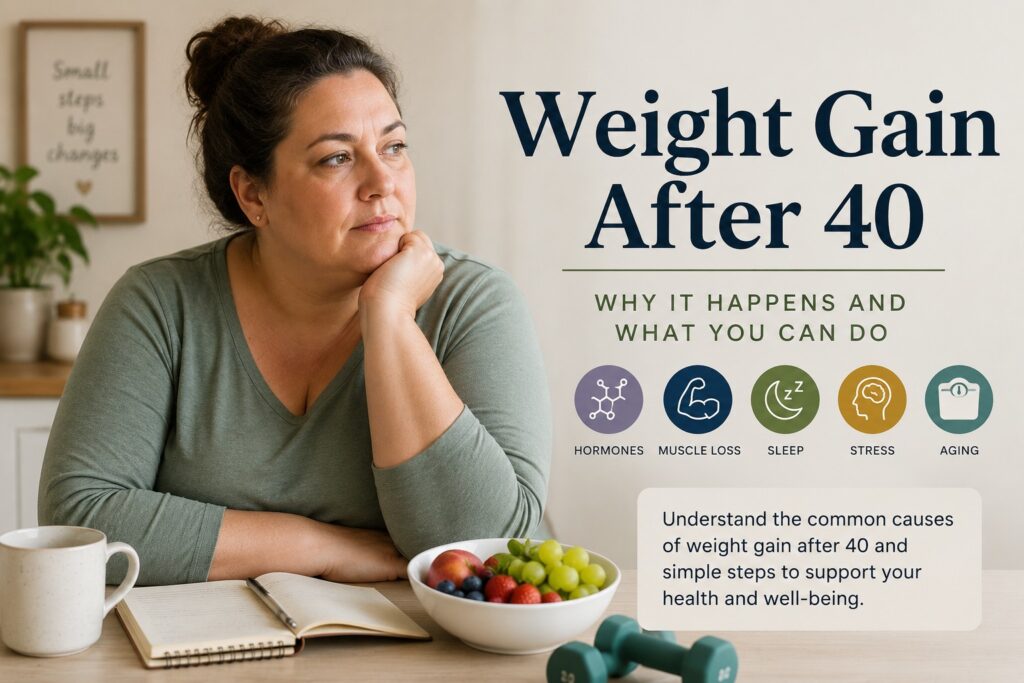
Many women notice changes in their weight during midlife, even when their eating patterns and daily routines seem largely unchanged.
This experience can be frustrating. You may feel as though you’re doing the same things you’ve always done, yet the number on the scale continues to rise.
The reality is that weight regulation becomes more complex with age. Hormonal changes, shifts in body composition, sleep quality, stress levels, and activity patterns can all influence weight in ways that may not be immediately obvious.
Understanding these factors can help explain why weight gain may occur and what steps may support long-term health and wellness.
Why Weight Gain Can Happen Even When Your Routine Stays the Same
Weight management is often described as a simple balance between calories consumed and calories burned.
While energy balance remains important, the body is influenced by many biological and lifestyle factors that can change over time.
As women move through their 40s, 50s, and beyond, natural age-related changes may affect how the body stores fat, maintains muscle, regulates hunger, and uses energy.
As a result, habits that once maintained a stable weight may no longer produce the same results.
Age-Related Changes in Muscle Mass
One of the most important changes that occurs with aging is the gradual loss of muscle mass.
Muscle tissue requires energy to maintain itself, even when the body is at rest. As muscle mass decreases, total daily energy expenditure may decline.
This process does not happen overnight. It typically develops gradually over many years.
A woman may maintain the same eating habits while becoming slightly less metabolically active because her body composition has changed.
This is one reason weight gain can occur even when daily routines seem unchanged.
Hormonal Changes May Influence Body Weight
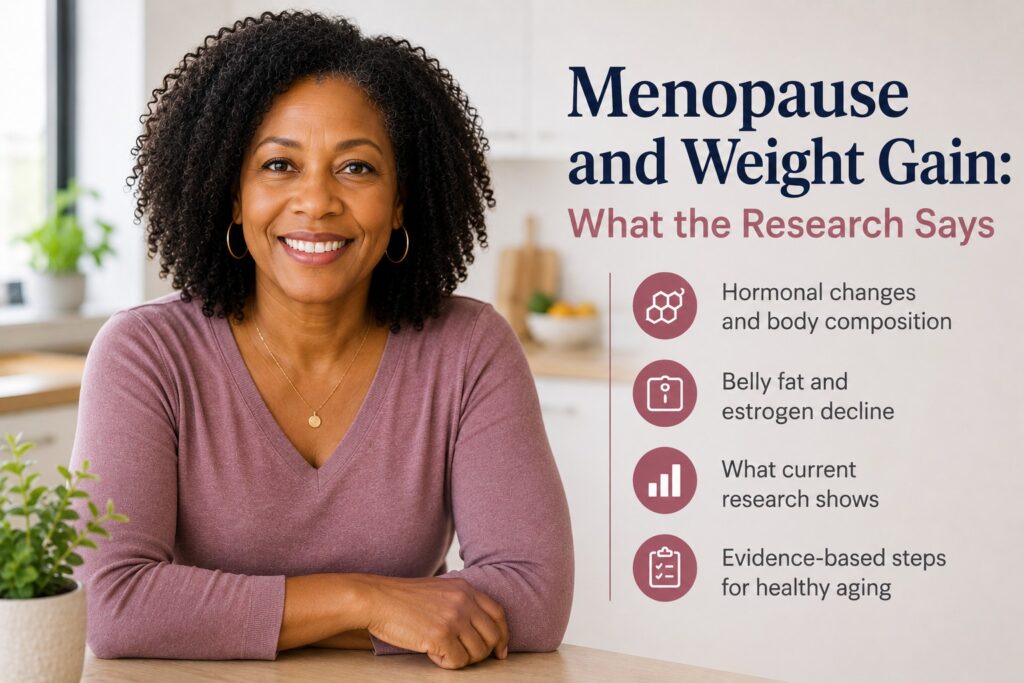
Hormonal fluctuations during perimenopause and menopause can affect body composition and fat distribution.
Research suggests that declining estrogen levels may contribute to an increase in abdominal fat and changes in how the body stores energy.
Many women notice that weight begins accumulating around the midsection during the menopause transition, even if their overall lifestyle remains relatively consistent.
Hormonal changes alone do not fully explain weight gain, but they may interact with other factors such as aging, sleep quality, physical activity, and muscle loss.
For a deeper discussion of this topic, see our article on menopause and weight gain.
Small Lifestyle Changes Can Add Up
Sometimes habits have changed, but the changes are subtle enough that they go unnoticed.
Examples may include:
- Walking less than before
- Spending more time sitting
- Exercising less frequently
- Eating slightly larger portions
- Increased snacking
- More meals eaten away from home
Individually, these changes may seem minor.
Over months and years, however, small differences in activity and food intake can influence body weight.
Many women are surprised to discover that their routines have gradually shifted as work, family responsibilities, caregiving, or lifestyle changes increase.
Sleep May Be Playing a Bigger Role Than You Think
Sleep quality often changes during midlife.
Night sweats, stress, caregiving responsibilities, and other factors can make restful sleep more difficult.
Research suggests that insufficient sleep may influence hormones involved in appetite regulation and energy balance.
Poor sleep may also affect:
- Energy levels
- Food cravings
- Physical activity motivation
- Recovery from exercise
When sleep suffers, maintaining healthy lifestyle habits often becomes more challenging.
Improving sleep quality may support overall wellness and make healthy weight management easier.
Stress Can Affect Weight in Multiple Ways
Chronic stress affects more than emotional well-being.
Stress may influence eating behaviors, physical activity levels, sleep quality, and hormonal responses.
Some people eat less during stressful periods, while others experience increased cravings for highly palatable foods.
Stress can also reduce motivation for exercise and self-care activities.
Although stress alone is unlikely to be the sole cause of weight gain, it often contributes to a combination of factors that make weight management more difficult.
Is Your Metabolism Really Slowing Down?
Many people assume metabolism dramatically slows after 40.
The reality is more nuanced.
Research suggests that some age-related changes in energy expenditure occur, but these changes are often closely connected to reductions in muscle mass, physical activity, and other lifestyle factors.
Metabolism remains an important piece of the puzzle, but it is rarely the only explanation for weight gain.
We’ll explore this topic in greater detail in our article on whether metabolism really slows down after 40.
Changes in Body Composition Matter More Than Weight Alone
Weight does not tell the entire story.
Two people can weigh the same but have very different proportions of muscle and body fat.
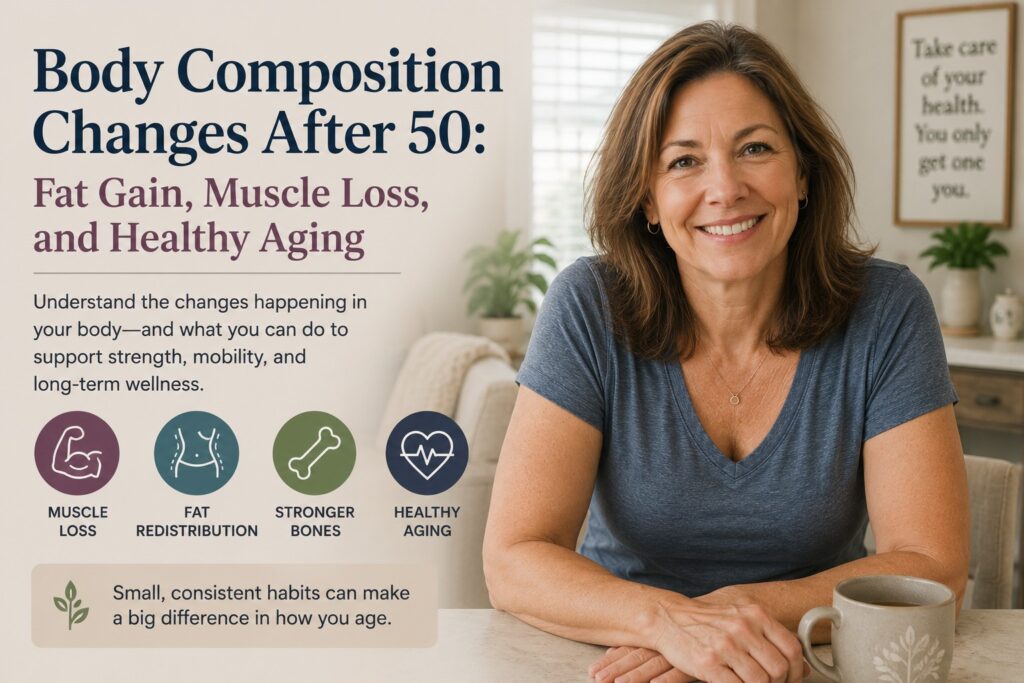
During midlife, women may experience changes in body composition that include:
- Increased fat mass
- Reduced muscle mass
- Changes in fat distribution
This means that health and physical function can change even if body weight remains relatively stable.
For this reason, many experts encourage focusing on overall health rather than weight alone.
What Can You Do If You’re Gaining Weight?
The goal is not to chase quick fixes or extreme solutions.
Instead, many health professionals recommend focusing on sustainable habits that support long-term health.
Helpful strategies may include:
Prioritize Protein
Protein supports muscle maintenance and may help increase feelings of fullness.
Examples include:
- Fish
- Poultry
- Eggs
- Greek yogurt
- Tofu
- Beans and legumes
Stay Physically Active
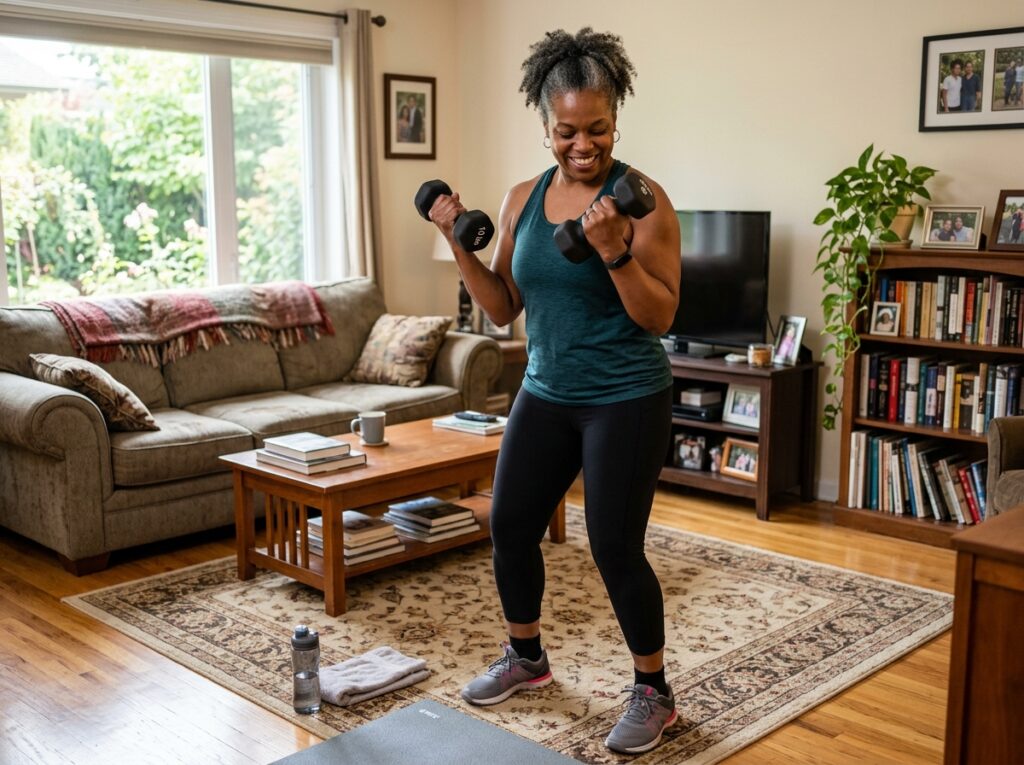
Regular movement supports overall wellness.
Activities may include:
- Walking
- Strength training
- Swimming
- Cycling
- Yoga
Consistency is often more important than intensity.
Support Healthy Sleep
Aim for a sleep routine that supports adequate rest and recovery whenever possible.
Manage Stress
Helpful approaches may include:
- Mindfulness practices
- Time outdoors
- Relaxation techniques
- Social connection
- Enjoyable hobbies
Focus on Long-Term Habits
Healthy weight management is usually the result of many small behaviors repeated consistently over time.
Sustainable habits tend to produce better long-term outcomes than restrictive approaches.
When Should You Talk With a Healthcare Professional?
Unexpected or rapid weight gain should be discussed with a healthcare professional.
In some cases, medical conditions, medications, or other health concerns may contribute to changes in body weight.
Professional evaluation may help identify factors that require additional attention.
Frequently Asked Questions
Why am I gaining weight if I haven’t changed my diet?
Several factors may contribute, including hormonal changes, reduced muscle mass, aging-related shifts in body composition, sleep disruption, stress, and subtle lifestyle changes that develop over time.
Is menopause the main cause of weight gain?
Menopause may contribute to changes in body composition and fat distribution, but it is usually only one of several factors involved.
Can sleep affect body weight?
Research suggests that poor sleep may influence appetite regulation, energy levels, food choices, and physical activity patterns.
Is weight gain after 40 inevitable?
Weight gain is common during midlife, but it is not inevitable. Healthy lifestyle habits may help support weight management and overall well-being.
Final Thoughts
If you’re gaining weight even though your habits seem unchanged, you’re not alone.
Many women experience similar challenges during midlife.
The explanation is often more complex than simply eating too much or exercising too little. Age-related changes in muscle mass, hormones, sleep, stress, and daily activity can all influence weight regulation.
Rather than focusing solely on the scale, it may be more helpful to prioritize healthy habits that support energy, strength, mobility, and long-term wellness.
Understanding what is happening inside the body can be the first step toward making informed and sustainable choices.
References
- Hurtado MD, Mishra N, Santoro N. Weight Gain in Midlife Women. Current Obesity Reports. 2024.
- Greendale GA, Sternfeld B, Huang MH, et al. Changes in Body Composition and Weight During the Menopause Transition. JCI Insight. 2019.
- Knight MG, Anekwe CV, Washington KE, et al. Weight Regulation in Menopause. Frontiers in Endocrinology. 2021.
- Mayo Clinic. Menopause Weight Gain: Stop the Middle Age Spread. Updated 2023.
- National Institute on Aging. Exercise and Physical Activity for Older Adults.
- CDC. About Adult BMI and Healthy Weight.
- Hulteen RM, et al. The Positive Impact of Physical Activity During Menopause. Nutrients. 2023.