Many women think of strength training as a way to build bigger muscles or lose weight. But after age 50, its benefits go far beyond changing your appearance.
Research suggests that regular strength training can help preserve muscle mass, maintain bone strength, improve balance, support mobility, and make everyday activities easier. Whether your goal is to stay independent, feel stronger, or support healthy aging, resistance exercise can play an important role.
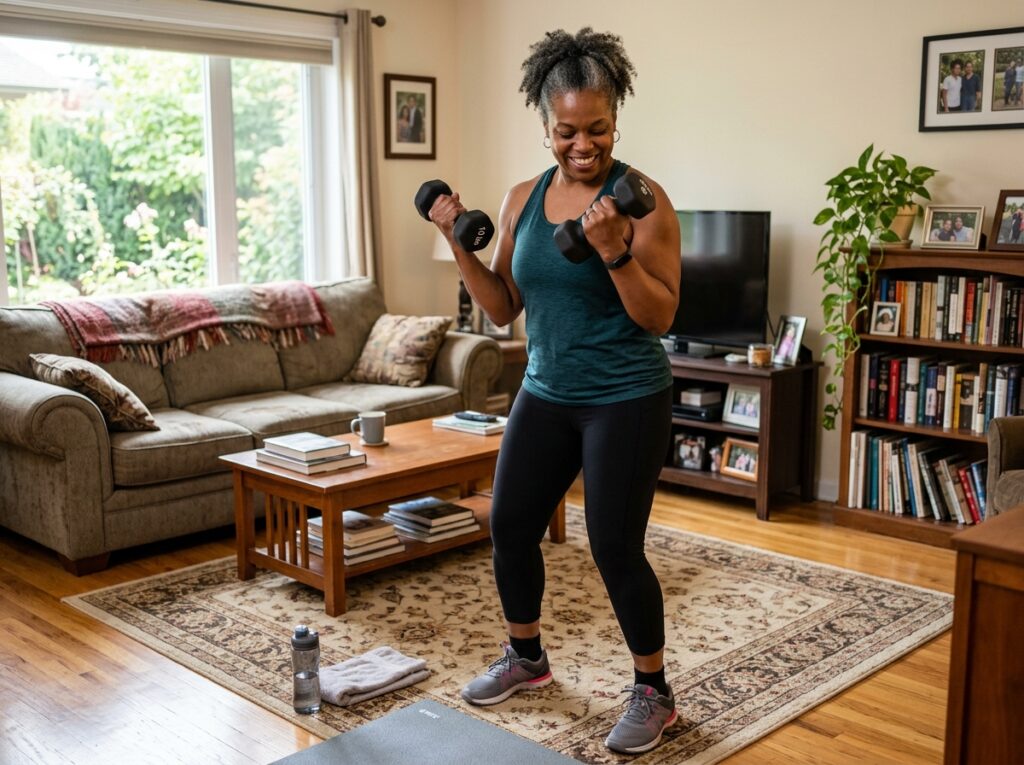
The good news is that you don’t need to become a bodybuilder or spend hours in the gym. Strength training can be adapted to nearly every fitness level and can begin with simple exercises performed at home using body weight, resistance bands, or light dumbbells.
In this article, we’ll explore why strength training becomes increasingly important after 50, what current research says about its benefits, and practical ways to get started safely.
Why Strength Training Matters More After 50
As women age, the body naturally undergoes changes that affect muscle mass, bone density, and physical function.
Beginning in midlife, muscle tissue gradually declines through a process known as sarcopenia. At the same time, bone density also decreases, particularly after menopause, increasing the importance of activities that help maintain strength and mobility.
Without regular resistance exercise, these changes may make everyday tasks more difficult over time. Activities such as lifting groceries, climbing stairs, getting up from a chair, or carrying grandchildren can gradually require more effort.
Fortunately, research consistently shows that muscles remain adaptable throughout life. Even adults who begin strength training later in life can improve muscle strength, physical function, and overall fitness.
Rather than trying to reverse aging, strength training helps support the body’s natural ability to remain capable, active, and independent.
What Counts as Strength Training?
Strength training—also called resistance training—includes any activity that makes your muscles work against resistance.
That resistance doesn’t have to come from heavy gym equipment.
Common examples include:
- Bodyweight exercises such as squats, wall push-ups, and lunges
- Resistance bands
- Free weights like dumbbells or kettlebells
- Weight machines
- Cable machines
- Functional exercises that mimic everyday movements
The goal is to challenge your muscles enough that they gradually become stronger over time.
For beginners, even light resistance performed consistently may provide meaningful improvements.
Benefits Beyond Weight Loss
Although many people associate exercise with calorie burning, strength training offers numerous health benefits that have little to do with the number on the scale.
Helps Preserve Muscle Mass
One of the greatest benefits of resistance training is helping maintain muscle as you age.
Research suggests that regular strength training stimulates muscles to adapt and become stronger. Combined with adequate dietary protein, it may help slow age-related muscle loss and support healthier body composition.
Maintaining muscle is important because it contributes to strength, mobility, balance, and the ability to perform everyday activities independently.
Supports Bone Health
Bones respond to mechanical stress much like muscles do.
Weight-bearing and resistance exercises encourage bones to remain strong by stimulating the natural process of bone remodeling.
This becomes increasingly important after menopause, when declining estrogen levels contribute to faster bone loss.
Although strength training cannot completely prevent age-related bone changes, it may help support bone health as part of a healthy lifestyle.
Improves Balance and Stability
Falls become more common with age and are a leading cause of injury among older adults. While many factors contribute to fall risk, reduced muscle strength is one that can often be improved.
Strength training targets the muscles that support posture, coordination, and stability. Over time, stronger muscles can make everyday movements feel more controlled and confident.
When combined with balance exercises, resistance training may help reduce the risk of falls and support greater independence later in life.
Makes Everyday Activities Easier
The benefits of strength training aren’t limited to workouts. They often become most noticeable during daily life.
Simple activities such as:
- Carrying grocery bags
- Lifting laundry baskets
- Climbing stairs
- Gardening
- Standing up from a chair
- Picking up grandchildren
all rely on muscular strength.
Many women find that becoming stronger makes these routine tasks feel easier and less physically demanding.
Improving functional fitness—the ability to perform everyday activities safely and comfortably—is one of the primary reasons healthcare professionals encourage strength training throughout adulthood.
Supports Healthy Weight Management
Strength training isn’t the exercise that burns the most calories during a workout, but it still plays an important role in weight management.
Because muscle tissue is metabolically active, preserving muscle helps maintain your body’s daily energy needs as you age.
Strength training also supports body composition by helping maintain lean muscle while reducing body fat when combined with healthy eating and regular physical activity.
Rather than focusing solely on weight loss, many experts encourage women over 50 to think about maintaining strength and preserving muscle as equally important goals.
May Improve Blood Sugar Regulation
Skeletal muscle plays an important role in how the body uses glucose.
Research suggests that resistance training may improve insulin sensitivity, helping muscles use blood sugar more efficiently. This benefit may support overall metabolic health when combined with other healthy lifestyle habits.
While strength training isn’t a treatment for diabetes, regular exercise is recognized as one component of a healthy lifestyle that supports long-term metabolic wellness.
Can Improve Confidence and Quality of Life
Physical changes often influence emotional well-being.
Feeling stronger may increase confidence in performing everyday activities, participating in hobbies, traveling, or trying new forms of exercise.
Many women also report feeling more energetic and capable after establishing a regular strength-training routine.
These psychological benefits are an important part of healthy aging and reinforce the value of staying physically active throughout life.
Is Strength Training Safe After 50?
For most healthy adults, strength training is considered safe when performed with proper technique and an appropriate level of resistance.
If you’re new to resistance exercise, the key is to begin gradually rather than trying to lift heavy weights immediately.
A few simple principles can help reduce the risk of injury:
- Start with lighter resistance.
- Learn proper exercise technique.
- Focus on controlled movements instead of speed.
- Allow muscles time to recover between sessions.
- Increase resistance gradually as strength improves.
Women with osteoporosis, arthritis, heart disease, recent surgery, or other medical conditions should speak with a healthcare professional before beginning a new exercise program. In some cases, working with a certified fitness professional can also help build confidence and ensure exercises are performed safely.
Remember that consistency matters far more than intensity. A sustainable routine performed week after week is generally more beneficial than occasional high-intensity workouts.
How Often Should Women Over 50 Do Strength Training?
The Physical Activity Guidelines for Americans recommend that adults perform muscle-strengthening activities involving all major muscle groups at least two days per week.
This doesn’t mean every workout needs to be long or strenuous.
A beginner routine might include:
- Two or three weekly strength-training sessions
- Exercises for the legs, chest, back, shoulders, arms, and core
- One to three sets of each exercise
- Rest days between sessions to allow muscles to recover
As strength improves, resistance, repetitions, or exercise variety can gradually increase.
The best routine is one that fits comfortably into your lifestyle and can be maintained over the long term.
Getting Started with Strength Training
Starting a strength-training routine doesn’t require expensive equipment or a gym membership. Many women successfully build strength at home using simple exercises and gradually increasing the level of resistance over time.
If you’re new to resistance training, focus on mastering basic movement patterns before worrying about heavier weights.
Some beginner-friendly exercises include:
- Chair squats
- Wall push-ups
- Glute bridges
- Resistance band rows
- Step-ups
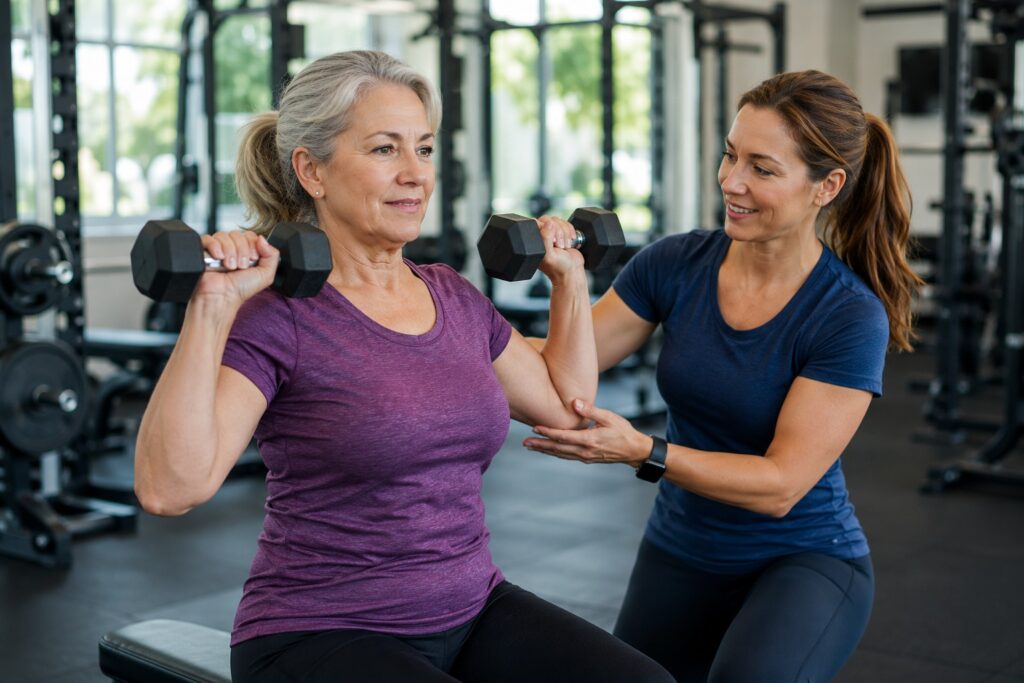
- Standing overhead presses with light dumbbells
- Bird dogs
- Modified planks
These exercises work multiple muscle groups and help improve strength for everyday activities.
As your confidence grows, you can increase the number of repetitions, add resistance, or try more challenging variations.
Common Myths About Strength Training After 50
Many women hesitate to begin strength training because of outdated misconceptions. Understanding what the research actually shows can make getting started feel much less intimidating.
| Myth | What Research Suggests |
|---|---|
| I’m too old to start. | Adults can improve muscle strength and physical function well into their 60s, 70s, and beyond. |
| Lifting weights will make me bulky. | Most women do not naturally develop large muscles from regular strength training because of lower testosterone levels. |
| Cardio is enough. | Aerobic exercise is important, but it doesn’t provide the same benefits for maintaining muscle mass and strength. |
| I need a gym membership. | Effective strength training can be done at home using body weight, resistance bands, or a few dumbbells. |
| It’s dangerous after menopause. | When performed with proper technique and appropriate progression, strength training is considered safe for most healthy women. |
Replacing these myths with evidence-based information can help women feel more confident about incorporating resistance exercise into their weekly routine.
Building a Sustainable Routine
One of the biggest mistakes beginners make is trying to do too much too soon.
Instead of aiming for perfection, focus on consistency.
A realistic weekly routine might look like this:
| Day | Activity |
|---|---|
| Monday | Full-body strength training |
| Tuesday | Walking or light activity |
| Wednesday | Rest or stretching |
| Thursday | Full-body strength training |
| Friday | Walking or recreational activity |
| Saturday | Flexibility or balance exercises |
| Sunday | Rest |
This balanced approach allows muscles time to recover while encouraging regular movement throughout the week.
Remember that recovery is part of the training process. Muscles become stronger during recovery—not during the workout itself.
Frequently Asked Questions
Can I build muscle after age 50?
Yes. Research suggests that women can increase muscle strength and build lean muscle after age 50 through regular resistance training and adequate protein intake. While muscle growth may occur more gradually than in younger adults, meaningful improvements are possible at almost any age.
Do I need heavy weights to see results?
No. Beginners often gain strength using bodyweight exercises, resistance bands, or light dumbbells. As strength improves, gradually increasing resistance can help continue progress.
Is walking enough to maintain muscle?
Walking offers many health benefits, including improved cardiovascular fitness, mobility, and mental well-being. However, it does not provide the same level of muscle stimulation as resistance training. Combining walking with strength exercises creates a more balanced fitness routine.
How long does it take to notice improvements?
Many women begin noticing improvements in strength, balance, and everyday activities within several weeks of consistent training. Visible changes in muscle definition may take longer and vary from person to person.
Should I strength train if I have osteoporosis?
Many women with osteoporosis can safely perform strength-training exercises, but the program may need to be modified to reduce the risk of injury. It’s important to discuss exercise recommendations with your healthcare provider before starting a new routine.
Conclusion
Strength training is one of the most valuable forms of exercise for women over 50—not because it promises dramatic weight loss, but because it helps support strength, mobility, independence, and healthy aging.
By preserving muscle mass, supporting bone health, improving balance, and making everyday activities easier, resistance training addresses many of the physical changes that naturally occur with age.
The key is to start where you are. Whether that means using your own body weight, resistance bands, or light dumbbells, small and consistent efforts can lead to meaningful improvements over time.
Rather than focusing on lifting heavier weights or achieving a certain appearance, think of strength training as an investment in your future health. Building and maintaining strength today can help you stay active, confident, and independent for years to come.
References
- National Institute on Aging. Exercise and Physical Activity: Your Everyday Guide from the National Institute on Aging. U.S. Department of Health and Human Services. https://www.nia.nih.gov/health/exercise-and-physical-activity
- Centers for Disease Control and Prevention. How Much Physical Activity Do Older Adults Need? https://www.cdc.gov/physicalactivity/basics/older_adults/
- U.S. Department of Health and Human Services. Physical Activity Guidelines for Americans, 2nd Edition. https://health.gov/our-work/nutrition-physical-activity/physical-activity-guidelines
- World Health Organization. Physical Activity. https://www.who.int/news-room/fact-sheets/detail/physical-activity
- American College of Sports Medicine. ACSM Position Stand: Progression Models in Resistance Training for Healthy Adults. Medicine & Science in Sports & Exercise. 2009;41(3):687–708. https://doi.org/10.1249/MSS.0b013e3181915670
- Fragala MS, Cadore EL, Dorgo S, et al. Resistance Training for Older Adults: Position Statement From the National Strength and Conditioning Association. Journal of Strength and Conditioning Research. 2019;33(8):2019–2052. https://doi.org/10.1519/JSC.0000000000003230
- Cruz-Jentoft AJ, Bahat G, Bauer J, et al. Sarcopenia: Revised European Consensus on Definition and Diagnosis. Age and Ageing. 2019;48(1):16–31. https://doi.org/10.1093/ageing/afy169
- Westcott WL. Resistance Training Is Medicine: Effects of Strength Training on Health. Current Sports Medicine Reports. 2012;11(4):209–216. https://doi.org/10.1249/JSR.0b013e31825dabb8
- Peterson MD, Rhea MR, Sen A, Gordon PM. Resistance Exercise for Muscular Strength in Older Adults: A Meta-Analysis. Ageing Research Reviews. 2010;9(3):226–237. https://doi.org/10.1016/j.arr.2010.03.004
- National Institute on Aging. Four Types of Exercise Can Improve Your Health and Physical Ability. https://www.nia.nih.gov/health/exercise-and-physical-activity/four-types-exercise-can-improve-your-health-and-physical-ability
- Harvard Health Publishing. Strength Training Builds More Than Muscles. https://www.health.harvard.edu/exercise-and-fitness/strength-training-builds-more-than-muscles
- The Bone Health & Osteoporosis Foundation. Exercise for Strong Bones. https://www.bonehealthandosteoporosis.org/patients/treatment/exercisesafe-movement/