
Many women notice that maintaining their weight seems more difficult after turning 40. Clothes may fit differently, losing a few pounds may take longer than it once did, and it can feel like the body is burning fewer calories than before. These experiences often lead to one common conclusion: “My metabolism has slowed down.”
But is that really what happens?
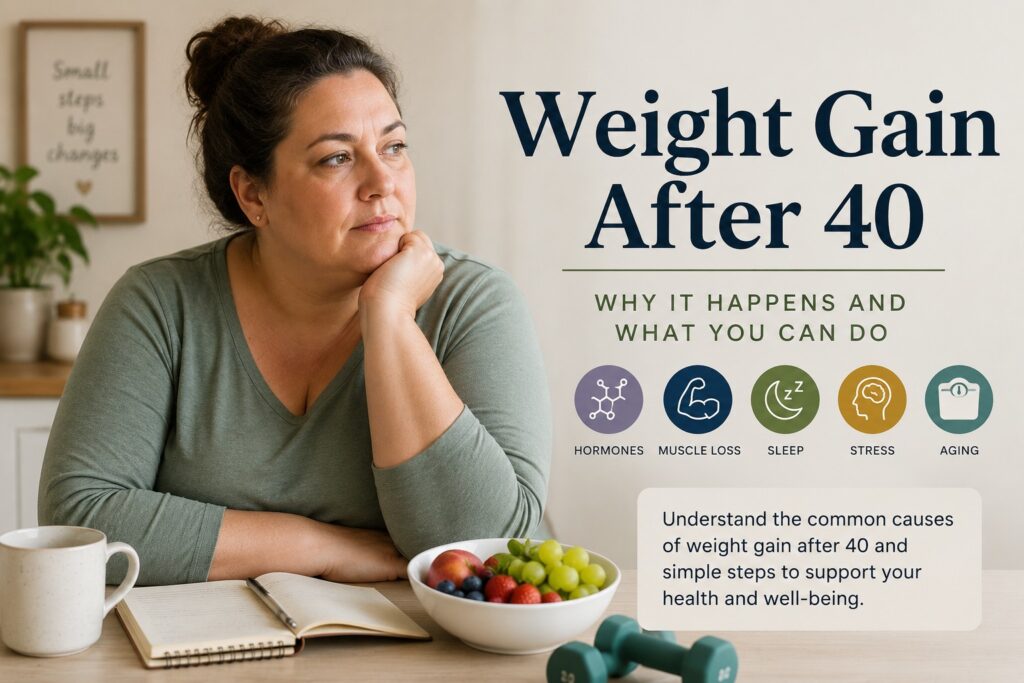
The answer is more nuanced than many people realize. While metabolism does change throughout life, current research suggests that the dramatic slowdown many people blame for midlife weight gain is often overstated. Instead, several age-related changes—including declining muscle mass, lower daily physical activity, hormonal shifts, and changes in body composition—work together to influence how many calories the body uses each day.
Understanding how metabolism actually works can help you make informed decisions and avoid common myths that promise quick fixes.
What Is Metabolism?
Metabolism refers to all the chemical processes your body performs to keep you alive and functioning. Every heartbeat, breath, and cell repair requires energy, even while you’re resting.
The calories your body burns each day come from three main sources:
- Basal metabolic rate (BMR): the energy needed for basic functions such as breathing, circulation, and maintaining body temperature.
- Physical activity: any movement throughout the day, from structured exercise to walking around the house.
- Digestion: the energy required to digest, absorb, and process the foods you eat.
For most adults, basal metabolic rate accounts for the largest portion of daily calorie expenditure.
Does Metabolism Suddenly Slow After 40?
One of the biggest misconceptions about aging is that metabolism drops sharply after age 40.
Research tells a different story.
Large studies suggest that resting metabolic rate remains relatively stable throughout much of adulthood when differences in body size and muscle mass are taken into account. Instead of a sudden decline, metabolism tends to change gradually over many years.
This means that many women who experience weight gain in their 40s and 50s are often influenced by factors other than metabolism alone.
These may include:
- gradual loss of lean muscle
- lower levels of daily movement
- hormonal changes during menopause
- changes in sleep quality
- increased stress
- lifestyle changes that accumulate over time
Rather than one dramatic event, these factors combine to reduce overall daily energy expenditure.
Why Muscle Matters
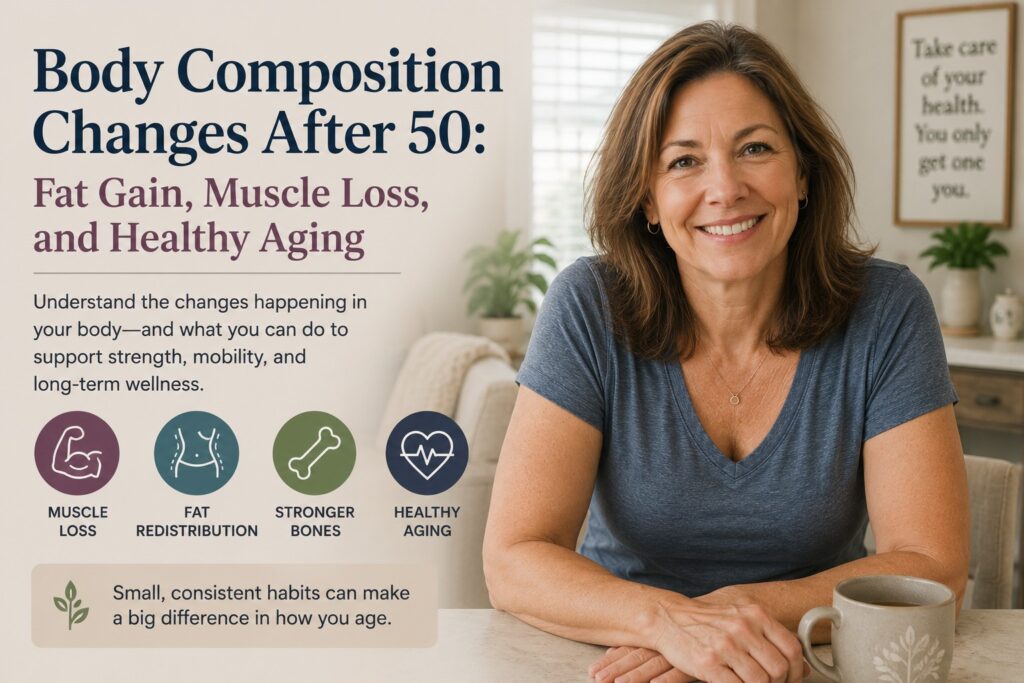
One of the most important changes that occurs with aging is the gradual loss of muscle mass.
Muscle tissue requires more energy to maintain than body fat. As women naturally lose muscle over time—a process that can accelerate with age if muscles are not regularly challenged—the body may burn slightly fewer calories at rest.
This is one reason healthcare professionals often emphasize preserving muscle through regular resistance training and adequate dietary protein rather than focusing exclusively on weight loss.
Maintaining muscle supports far more than metabolism. It also contributes to:
- balance and stability
- healthy aging
- mobility
- bone health
- independence in later life
These benefits make muscle preservation an important part of overall wellness, regardless of the number on the scale.
How Daily Movement Influences Calorie Burn
Exercise is only one part of daily energy expenditure.
Many people become less physically active over time without noticing it. Walking less, standing less often, driving instead of walking, or spending more hours sitting can significantly reduce the number of calories burned throughout the day.
Researchers sometimes refer to this as non-exercise activity, which includes all the everyday movements that are not part of a structured workout.
Small reductions in daily movement, repeated over months or years, may have a meaningful impact on overall calorie expenditure.
For many women, increasing everyday movement may be just as valuable as adding formal exercise sessions.
What About Menopause?
Many women notice weight changes during the menopause transition, making it easy to assume that hormones are solely responsible for a slower metabolism.
Current evidence suggests the relationship is more complex.
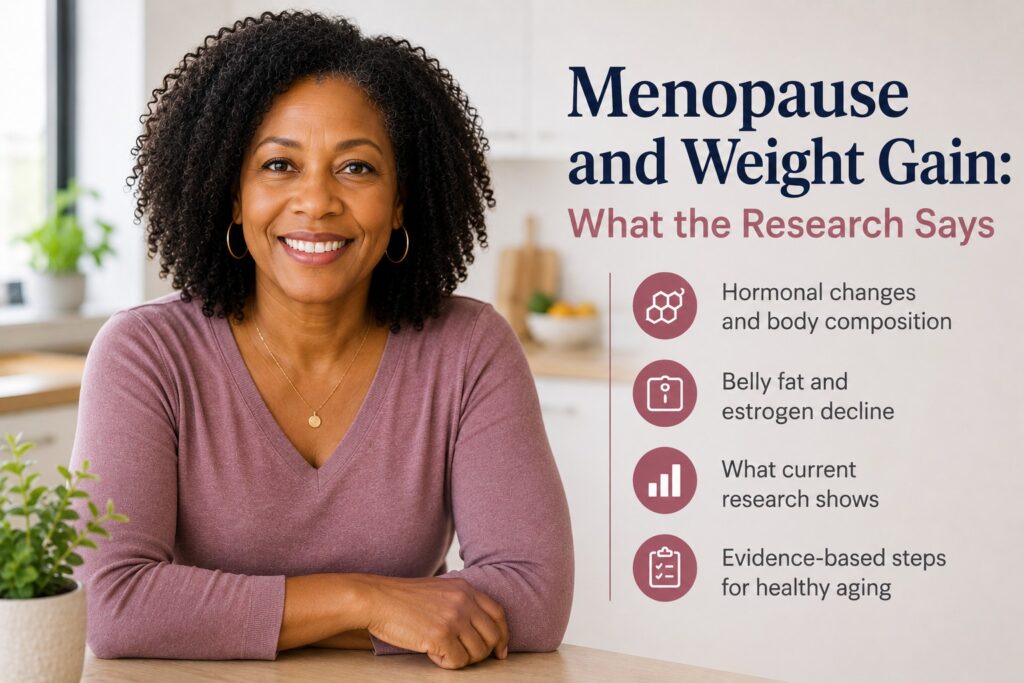
Declining estrogen levels appear to influence where the body stores fat, often shifting fat from the hips and thighs toward the abdomen. However, research indicates that menopause itself is not the primary cause of a dramatic drop in resting metabolism.
Instead, hormonal changes often occur alongside normal aging, muscle loss, changes in physical activity, and sleep disturbances. Together, these factors can make maintaining a healthy weight more challenging than it was in earlier decades.
If you’d like to learn more about this topic, read our article “Menopause and Weight Gain: What the Research Says.”
Can You Increase Your Metabolism?
The internet is full of products and programs that promise to “boost your metabolism.”
Unfortunately, most of these claims are exaggerated.
There is no food, supplement, or exercise routine that dramatically increases metabolism overnight.
However, research suggests that several habits may help support healthy energy expenditure over time.
Preserve Muscle Mass
Strength training is one of the most effective ways to maintain lean muscle as you age.
Because muscle requires more energy than fat, preserving muscle may help minimize the gradual decline in calorie expenditure that can occur over time.
Resistance exercises may include:
- Free weights
- Resistance bands
- Bodyweight exercises
- Weight machines
Even two or three sessions per week can contribute to maintaining strength and functional fitness.
Stay Physically Active
Regular movement supports overall health while increasing the number of calories burned throughout the day.
Walking, cycling, swimming, dancing, and other enjoyable activities all contribute to daily energy expenditure.
The goal is consistency rather than intensity.
Eat Enough Protein
Protein plays an important role in maintaining muscle throughout adulthood.
Many experts encourage women to include adequate protein as part of a balanced eating pattern, especially as they get older.
Good protein sources include:
- Fish
- Poultry
- Eggs
- Beans
- Lentils
- Greek yogurt
- Tofu
- Cottage cheese
We’ll explore protein needs in more detail in an upcoming article dedicated to this topic.
Prioritize Sleep
Poor sleep has been associated with changes in appetite regulation, food cravings, and energy levels.
Although improving sleep will not dramatically increase metabolism, getting adequate rest may support healthier lifestyle choices and make it easier to stay physically active.
Manage Long-Term Stress
Chronic stress can influence eating behaviors, sleep quality, and motivation for physical activity.
Finding healthy ways to manage stress—such as mindfulness, enjoyable hobbies, social connection, or regular exercise—may support overall wellness and healthy weight management.
Common Myths About Metabolism
Myth: Everyone’s metabolism crashes after 40.
Research does not support a sudden metabolic collapse at midlife. Most changes occur gradually and are influenced by multiple factors.
Myth: Certain foods dramatically speed up metabolism.
While some foods require slightly more energy to digest than others, their overall impact on daily calorie expenditure is relatively small.
Myth: Supplements can permanently boost metabolism.
Many products marketed as metabolism boosters lack strong scientific evidence, and some may even contain ingredients that are not appropriate for everyone.
Myth: Weight gain is unavoidable after 40.
Although maintaining weight may become more challenging, healthy habits—including regular movement, balanced nutrition, and muscle preservation—can continue to support long-term wellness throughout midlife and beyond.
The Bottom Line
Metabolism does change with age, but not as dramatically as many people believe.
For most women, the gradual loss of muscle, changes in physical activity, shifting body composition, sleep quality, and hormonal changes together have a greater impact on weight management than a sudden slowdown in metabolism itself.
Rather than searching for quick fixes, focusing on sustainable habits—such as staying active, preserving muscle, eating a balanced diet, and getting enough sleep—offers a more realistic approach to supporting healthy aging.
Understanding how metabolism works can replace frustration with knowledge and help you make decisions based on evidence rather than common myths.
References
- National Institute on Aging. What Is Menopause?
- MedlinePlus. Metabolism.
- Mayo Clinic. Menopause Weight Gain: Stop the Middle Age Spread.
- National Institute on Aging. Exercise and Physical Activity: Your Everyday Guide.
- Pontzer H, et al. Daily energy expenditure through the human life course. Science. 2021.
- Wolfe RR. The Underappreciated Role of Muscle in Health and Disease. American Journal of Clinical Nutrition.
- Harvard Health Publishing. Strength Training Builds More Than Muscles.